


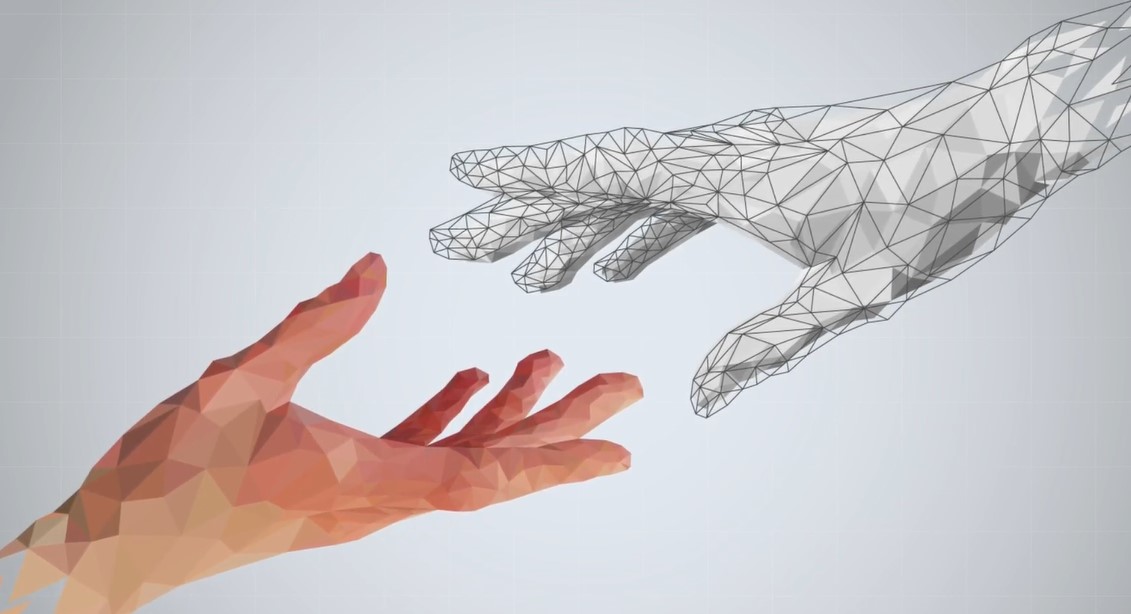
Discover how personal AI has evolved from a simple digital assistant into an emotional companion, a professional collaborator, or even a virtual therapist. We explore the psychological, social, and ethical impact of intelligent agents such as Auto-GPT and Devin AI.

In an Accelerated Digital World
Artificial intelligence is no longer just a concept of the future — it is a tangible reality in our daily lives. Among the most remarkable directions in AI development is personal AI, a concept referring to intelligent agents that are built, adapted, and customized to meet the individual needs of each user. From task organizers to conversational entities capable of offering emotional support, personal AI now raises fundamental questions about the evolving relationship between humans and technology.
From Assistant to Autonomous Agent
The transformation of traditional digital assistants into autonomous intelligent agents has been made possible by major advances in generative artificial intelligence. While early assistants simply followed basic commands, today’s systems can initiate actions, analyze context, and even anticipate user needs.
Notable examples include Auto-GPT, an AI capable of setting and pursuing its own goals without constant user input, and Devin AI, a groundbreaking system that can write code, solve technical problems, and manage software projects from start to finish. These tools are no longer just passive supports — they are active participants in both professional and personal tasks, with a high degree of autonomy and efficiency.
AI Companions: A New Kind of Digital Relationship
Beyond functionality, personal AI is increasingly used as a tool for emotional connection. Applications such as Replika, Anima AI, or Character.AI allow users to create digital entities that can hold meaningful conversations, express empathy, and learn from prior interactions.
Many users choose to create AI companions that serve as virtual friends, sources of emotional support, or even conversational therapists. Unlike human relationships, these digital interactions are controllable, predictable, and adaptable in real time, offering significant psychological comfort — though not without risk.
Psychological and Social Impact
As interactions with AI companions become deeper, several psychological implications begin to emerge. Recent studies suggest that relationships formed with AI agents can enhance feelings of safety and reduce anxiety, particularly among individuals who are socially isolated or emotionally vulnerable. These agents provide a constant presence and a judgment-free space for expression.
However, excessive reliance on such agents may lead to emotional dependency, avoidance of real human contact, and a distorted perception of interpersonal relationships. In the long term, the risk of preferring artificial interactions over genuine ones should be taken seriously.
Extreme Personalization: Between Freedom and Isolation
One of the most appealing features of personal AI is its advanced customization. Users can shape their AI agents to reflect their own values, interests, communication styles, and even personality traits. In this way, the AI becomes a faithful or idealized projection of the self — a digital alter ego designed to support, reflect, and validate the user’s identity.
This closeness between human and machine offers a unique experience, but it can also generate problems. If AI agents become mere sources of continuous validation, there is a risk of cognitive and emotional stagnation. Without exposure to different perspectives or challenges, the user may retreat into a loop of self-confirmation and digital isolation.
Personal AI: Between Progress and Responsibility
Personal AI is one of the most fascinating developments in modern technology, with enormous potential on both practical and emotional levels. The ability to create, adapt, and evolve an intelligent agent that understands, assists, and supports us is undoubtedly exciting and valuable. Yet, with these benefits come responsibilities.
It is essential that users remain informed, balanced, and aware of the limitations of human–AI interaction. At the same time, society must develop a clear ethical and educational framework to accompany the rise of these technologies.
Personal AI should not replace our humanity. It should be an intelligent complement — guided by empathy, reason, and discernment.
(Article generated and adapted
by CorpQuants with ChatGPT)