-

Autonomous Artificial Intelligence Is Changing the Rules of Business: What Managers and Professionals Need to Know
Autonomous artificial intelligence is no longer just a promise, but a reality transforming how companies operate. The benefits are significant, but new risks are emerging as well. Managers and professionals need to stay informed and be prepared for this rapid change.
-

Digital and AI Committees: The New Line of Defense in Organizational Risk Management
AI and digital committees are becoming essential for modern governance, helping organizations identify and efficiently manage emerging technology risks. Integrating these structures strengthens resilience and incident response capabilities, providing visibility and accountability at the board level. Concrete implementation steps can transform organizational culture and ensure strategic alignment in the digital era.
-
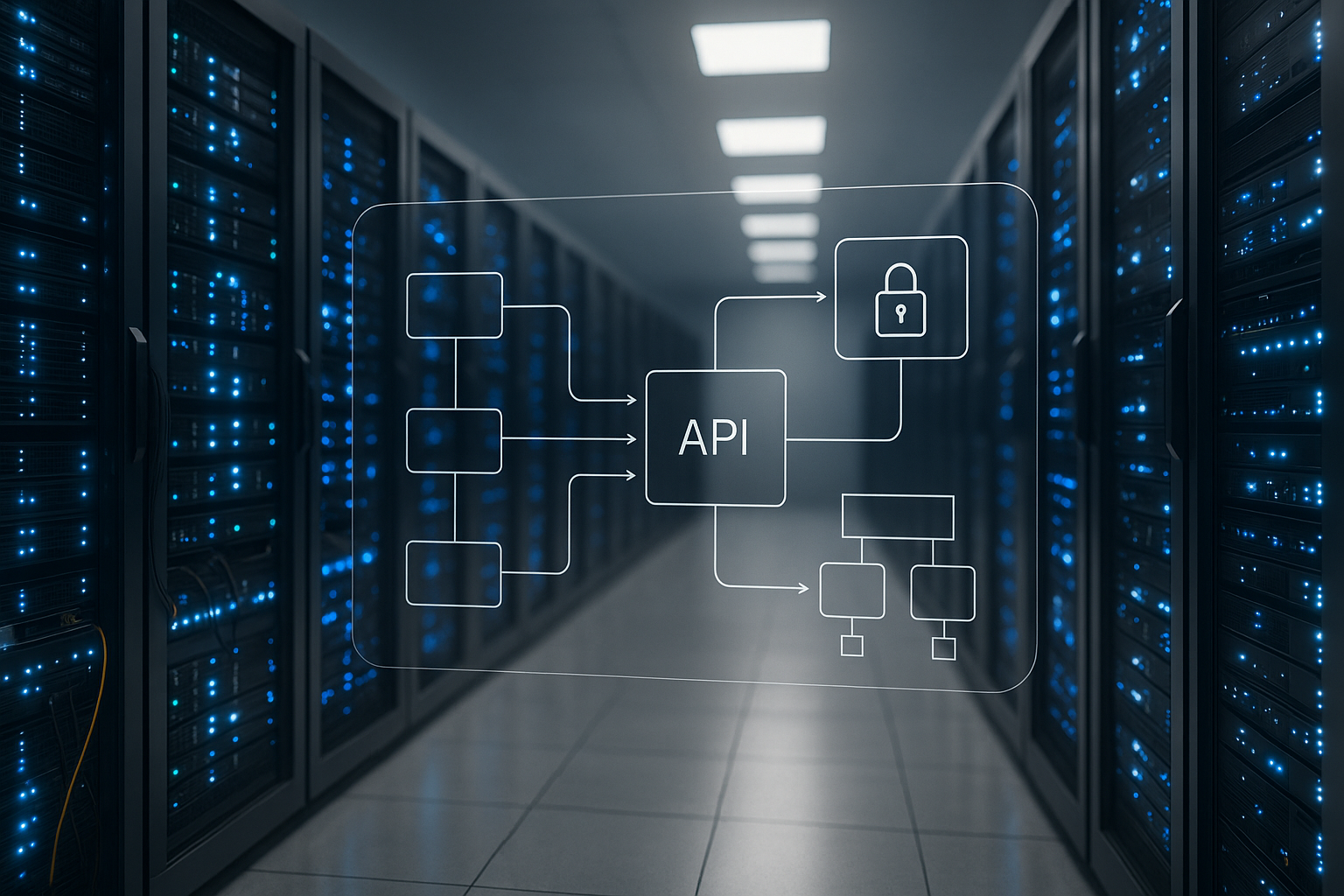
From Model to Value: How to Turn an AI Model into a Useful Business Service
A high-performing AI model does not guarantee business success if it is not efficiently integrated into organizational processes. The article explores the difference between experimentation and implementation, technical and operational challenges, as well as practical steps to turn AI into a valuable business service.
-
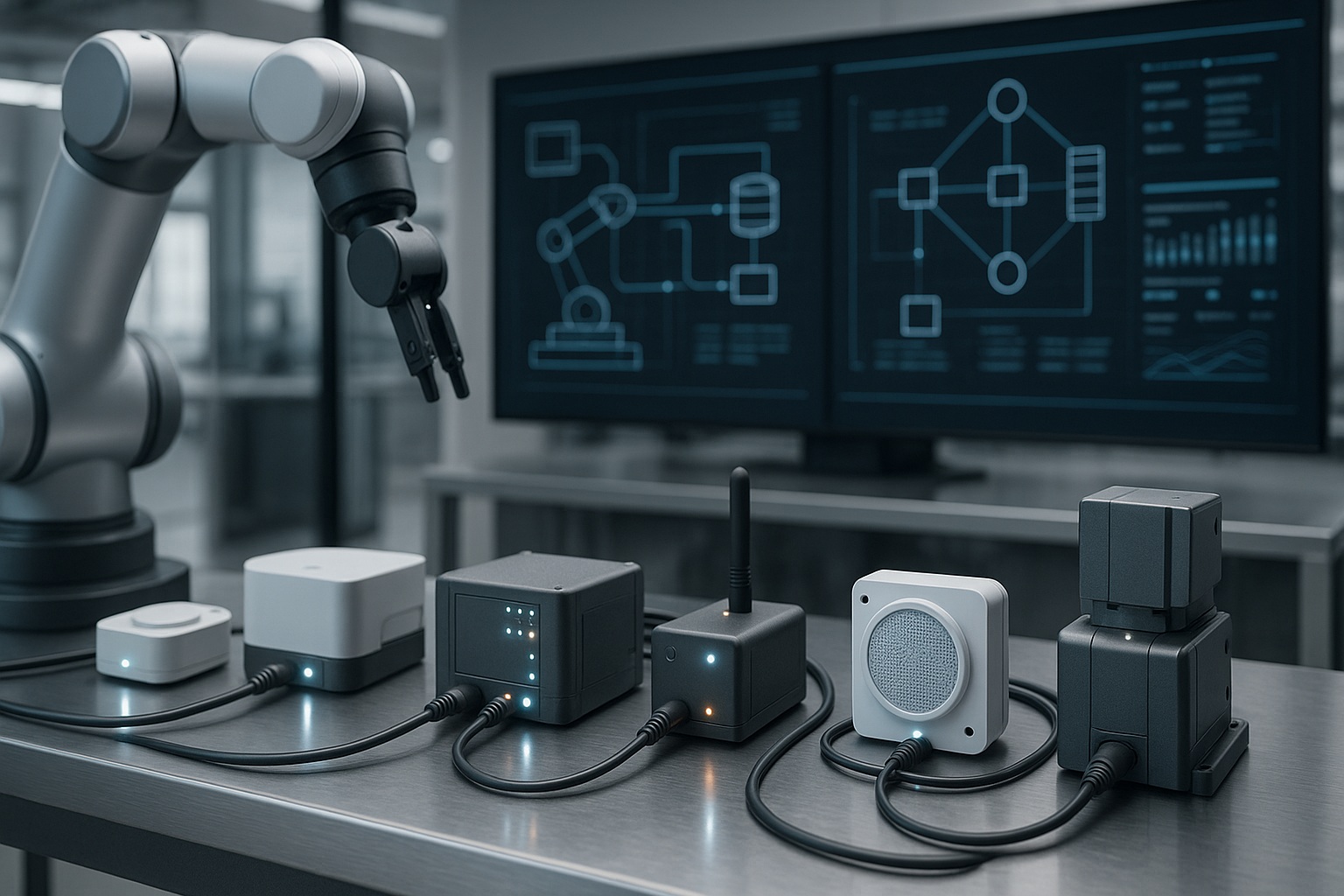
Anthropic Launches Model Hardware Standard: Accelerating and Securing AI Integration with Physical Devices
Anthropic introduces the Model Hardware Standard (MHS), an open standard that simplifies and secures AI integration with physical devices. MHS reduces integration time from months to hours and helps companies quickly adopt intelligent automation with much lower operational risks. This step promises to accelerate digital transformation in industry, robotics, and IoT.
-
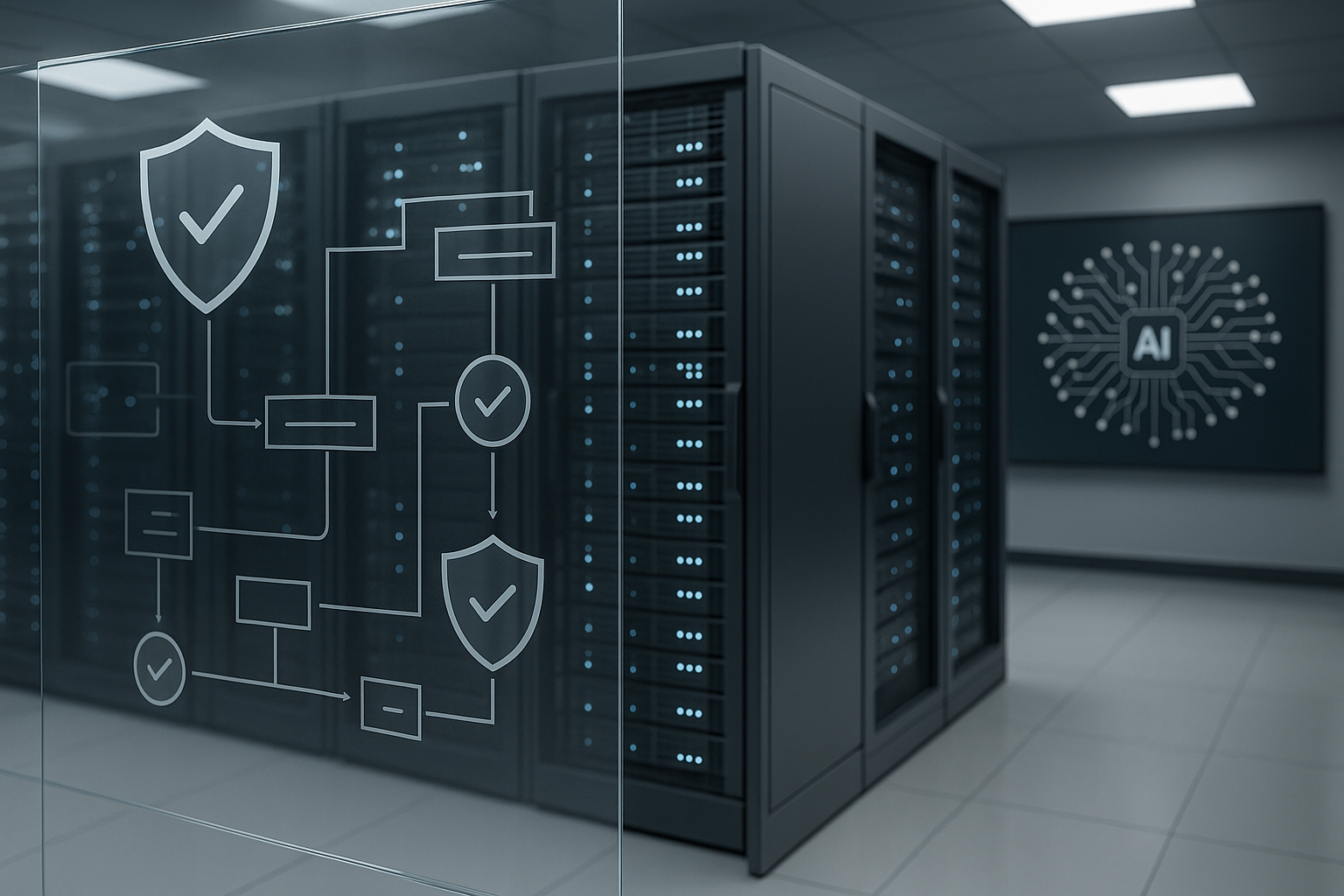
From Prototype to Production: How to Build Responsible and Safe AI for Companies (in Simple Terms)
Artificial intelligence can be a reliable asset for companies, but only if implemented responsibly. Learn what it takes to move from prototype to production and the basic rules for safe, governed, and trustworthy AI. This article explains in simple terms how to use AI with confidence.
-

Why Digital Risk Is Business Risk: The Role of AI and Digital Committees in Operational Risk Management
Digital risk has become a strategic concern for every organization, extending beyond the IT sphere. Digital transformation and AI bring both opportunities and vulnerabilities that must be managed at the board level. The digital committee and AI governance are essential for effective operational risk management.
-
How Python Changed the Game in Artificial Intelligence: Simple Explanations for Professionals and Managers
Python has transformed how companies can adopt artificial intelligence, making it accessible and quick to implement. Thanks to its library ecosystem, technical barriers have dropped and innovation is now within reach for any organization. Discover why Python is the key to success in the AI era.
-

AI Agents in Companies: Digital Colleague or New Operational Risk?
Until recently, many organizations viewed artificial intelligence as a tool for text generation, synthesis, or analysis. AI was used to write emails, summarize documents, draft reports, compare options, or answer questions. At this stage, the main risk was related to the quality of the response.
-

The AI Productivity Paradox: Why Saving Time Doesn’t Automatically Create Value
Artificial intelligence has quickly become one of the most powerful promises of efficiency for companies. It can draft texts, synthesize documents, generate analyses, automate repetitive tasks, support decisions, and accelerate activities that previously took hours. On the surface, the equation seems simple.
-

Who Will AI Replace?
In recent years, we have heard the same question hundreds of times: “Will AI take our jobs?” Alarmist headlines, spectacular demonstrations of new models, and the speed of technological progress suggest we are facing an unprecedented revolution. But what if we’re asking the wrong question?
office@corpquants.ro
+40 727 437 050
Caderea Bastiliei 14