


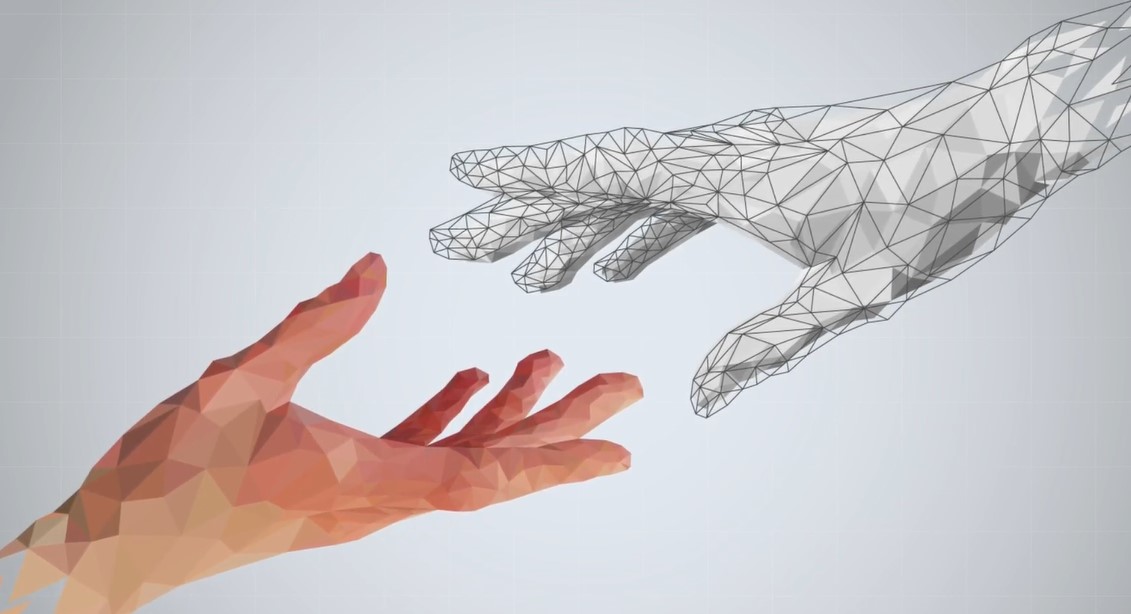
Artificial intelligence is often described as a decision-support tool. It analyzes data, provides recommendations, and optimizes processes. Officially, humans remain the decision-makers. In practice, however, a growing share of business decisions are already being shaped — and in some cases determined — by AI-driven systems.
This shift is rarely acknowledged explicitly. Organizations prefer to frame AI as “assistance” or “support,” even when algorithmic recommendations are accepted automatically, especially in environments where speed and efficiency are critical.
The pressure on companies to make faster, data-driven decisions has increased significantly. Large volumes of information, market volatility, and global competition have made purely intuitive decision-making appear insufficient. In this context, AI becomes a powerful filter: it prioritizes options, removes alternatives, and defines what is considered optimal or acceptable.As a result, a subtle but important phenomenon has emerged in modern business: the implicitly accepted decision.

Even when a human decision-maker remains “in the loop,” intervention is often symbolic. When a model has a strong performance track record and time is limited, the algorithm’s recommendation effectively becomes the final decision.
The distinction between AI-assisted decisions and fully automated ones is, in many cases, more formal than real. AI may not sign off on the decision, but it defines the decision space in which humans operate. Options outside the model’s logic are rarely considered.
Why, then, do we hesitate to acknowledge this reality? One reason is psychological comfort. As long as AI is viewed strictly as a tool, responsibility remains diffuse. When outcomes are negative, blame can be attributed to the model, the data, or technological limitations. Recognizing AI as a decision-shaping actor would require a clearer and less comfortable definition of accountability.
Another reason is the illusion of control. The presence of a human decision-maker creates the impression that organizations retain full control over outcomes. In reality, limited understanding of how AI models work often leads to decisions being validated through trust rather than critical evaluation.
The implications are significant. The role of the human decision-maker is shifting — from author of decisions to supervisor of algorithmic processes. At the same time, dependence on models increases, while the organization’s ability to question or challenge AI-generated outcomes gradually declines.
AI does not replace human decision-makers, but it fundamentally changes the nature of business decisions. The key question is not whether artificial intelligence is already influencing decisions — it clearly is. The real question is whether organizations are prepared to take responsibility for the decisions they increasingly choose to accept from algorithms.