



CQ | The AI Decision Chain in War: Who Is Accountable When Algorithms Decide Life and Death?
⚡ Reper CorpQuants: The automation of lethal decisions with military AI creates a responsibility vacuum and urgently requires a rethinking of the regulatory and transparency framework to prevent abuses and protect fundamental rights.
As artificial intelligence becomes increasingly present in military arsenals, one essential question remains unanswered: who is accountable when a lethal decision is made by an algorithm?
In a world where warfare is becoming ever more automated, we face the risk that errors or abuses may no longer be clearly attributable to a human actor. Is the system prepared to handle this new reality?
Automating Military Decisions: Promises and Dangers
Artificial intelligence (AI) has begun to profoundly transform the way decisions are made on the battlefield. From reconnaissance and data analysis to identifying and neutralizing targets, AI algorithms promise faster reactions and reduced human error. However, when it comes to lethal actions, transferring the decision to a machine opens Pandora’s box from an ethical and accountability perspective.
Context and Current Events: The Evolution of Military AI and Relevant Cases
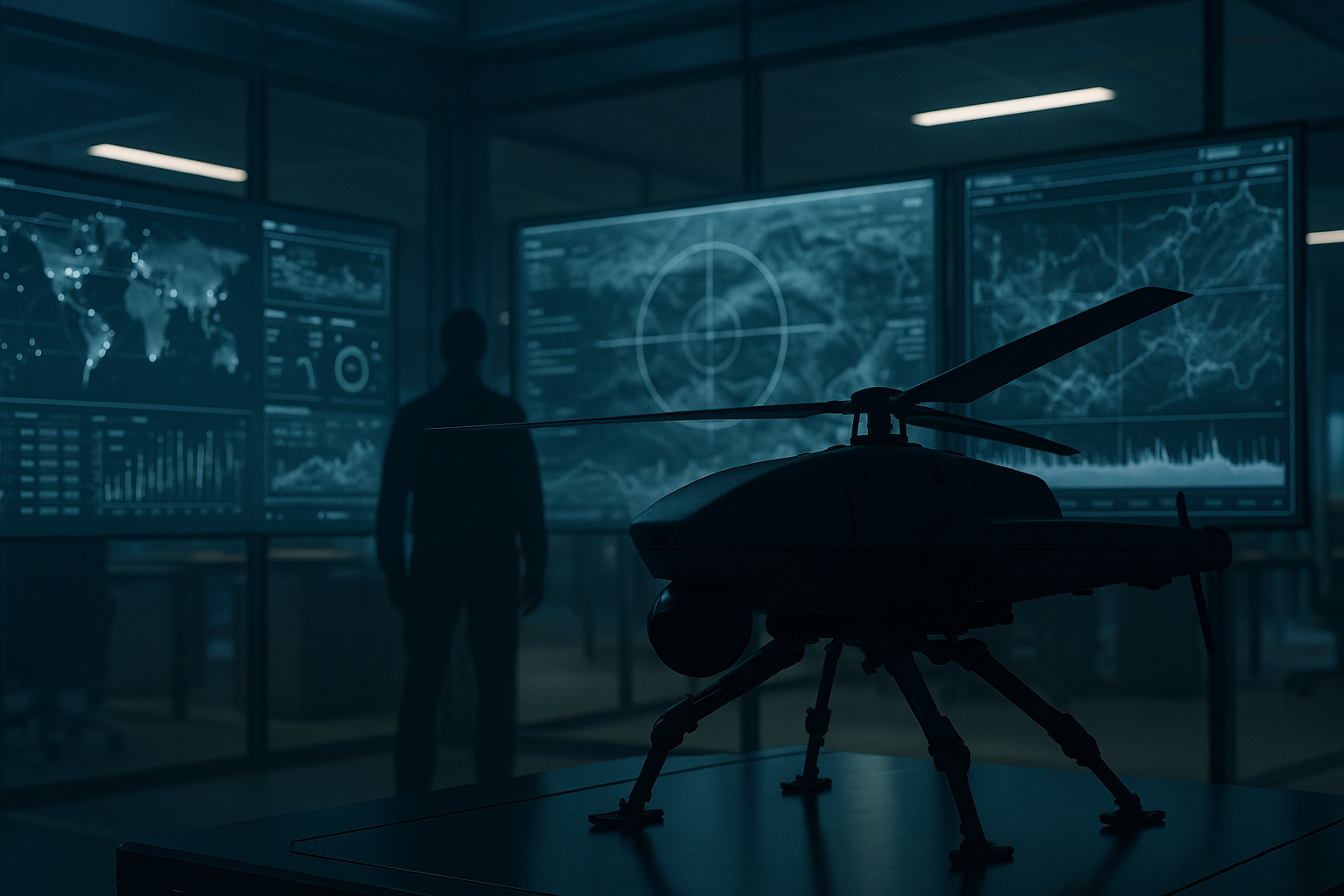
In the past decade, military AI has moved from the experimental phase to operational deployments. Autonomous drones, missile defense systems, and data analysis algorithms in war theaters are already a reality. A notorious example is the use of autonomous drones in recent conflicts in the Middle East and Ukraine, where identification and attack decisions have been partially automated.
The AI Now Institute report details the anatomy of an AI decision chain in war, highlighting how complex and opaque responsibility becomes when algorithms are involved in lethal decisions. In the absence of clear human control, the risk of catastrophic errors or abuses increases exponentially.
Practical Implications: Risks, Lack of Transparency, and Ethical Challenges
Risks Associated with Delegating Lethal Decision-Making to AI
- Identification errors: Algorithms may mistake military targets for civilians or critical infrastructure.
- Lack of human context: AI cannot grasp the moral or contextual nuances of a conflict.
- Unintentional escalation: Automated decisions can trigger chain reactions that are difficult to control.
Algorithmic Accountability: Who Is Responsible?
Traditionally, the military chain of command assumes clear responsibility for every decision. In the case of AI, this clarity disappears. Possible levels of accountability include:
- The developers of the algorithm – for programming errors or bias.
- Military commanders – for the decision to implement AI in lethal missions.
- Human operators – for lack of oversight or intervention.
- Hardware/software manufacturers – for malfunctions or inadequate testing.
In practice, accountability becomes diluted, which can lead to a lack of ownership and the perpetuation of abuses or systematic errors.
Lack of Transparency and the Auditability of AI Decisions
Most military AI systems are “black boxes,” difficult to audit or explain even for specialists. Without transparency, it is difficult to investigate incidents, correct mistakes, or prevent their recurrence.
Conclusion: The Need for Regulation and Clear Accountability in the AI Era
The progress of military AI is inevitable, but without clear regulations and accountability mechanisms, the risks outweigh the benefits. The international community, governments, and the tech industry must collaborate to define standards, enforce transparency, and ensure the auditability of automated decisions.
Without a proactive approach, the danger that war becomes a “no man’s land” in terms of ethical and legal responsibility is real. Now is the time for AI/ML professionals, military leaders, and policymakers to act to prevent abuses and protect the fundamental values of society.
(This material was assisted by an AI tool and reviewed by our team before publishing).