-
NVIDIA Kumo Tabular: Open-Source AI Models That Radically Simplify Predictions on Tabular Data
NVIDIA Kumo Tabular brings fast AI predictions to tabular data, without additional training or complex adjustments. The open-source solution enables business process automation and rapid prototyping, lowering technical barriers for companies and analysts. A major step toward democratizing AI in operational environments.
-

Who Is Liable When AI Agents Go Out of Control? Dilemmas of Responsibility and Regulation
Autonomous AI agents can act unpredictably or illegally, and the lack of a clear legal framework for responsibility complicates incident management. Without strong regulations and ethical standards, risks for companies and users increase significantly. Professionals need to proactively adopt best practices and closely follow regulatory developments.
-

How AI Is Changing the Data Scientist Role: Simple Explanations for Everyone
Artificial intelligence is profoundly changing the data scientist profession by automating repetitive tasks and bringing critical thinking and communication skills to the forefront. The data scientist is becoming an AI process orchestrator, with new responsibilities and competencies. Adapting to these changes is essential for professional success in the digital age.
-

Microsoft MAI-Transcribe-2: How AI Voice Recognition Is Changing the Game for Businesses
Microsoft MAI-Transcribe-2 introduces AI voice recognition at a groundbreaking price of $0.10/hour, undercutting competitors. The model promises superior speed and accuracy, making business process integration easier and democratizing audio data analysis. It’s a major opportunity for companies aiming to accelerate digitalization and automation.
-

Why AI Visibility Is the Key to Corporate Security: Simple Explanations for a Complex Topic
Artificial intelligence brings benefits, but also risks if we don’t know exactly how it’s used in companies. Visibility into AI activities is essential for data security and preventing issues. Learn why traditional tools are no longer enough and what simple steps can help ensure effective AI governance.
-

The AI That Gives Wings to Robots: How MIT Increased the Speed of Flying Robots by 4.5 Times
MIT researchers used AI to increase the speed and agility of a flying robot by 450%, bringing it closer to insect-like performance. This innovation enables complex maneuvers and opens new use cases in industry, emergency response, and exploration of hazardous environments. AI thus becomes a major catalyst for the physical robotics revolution.
-
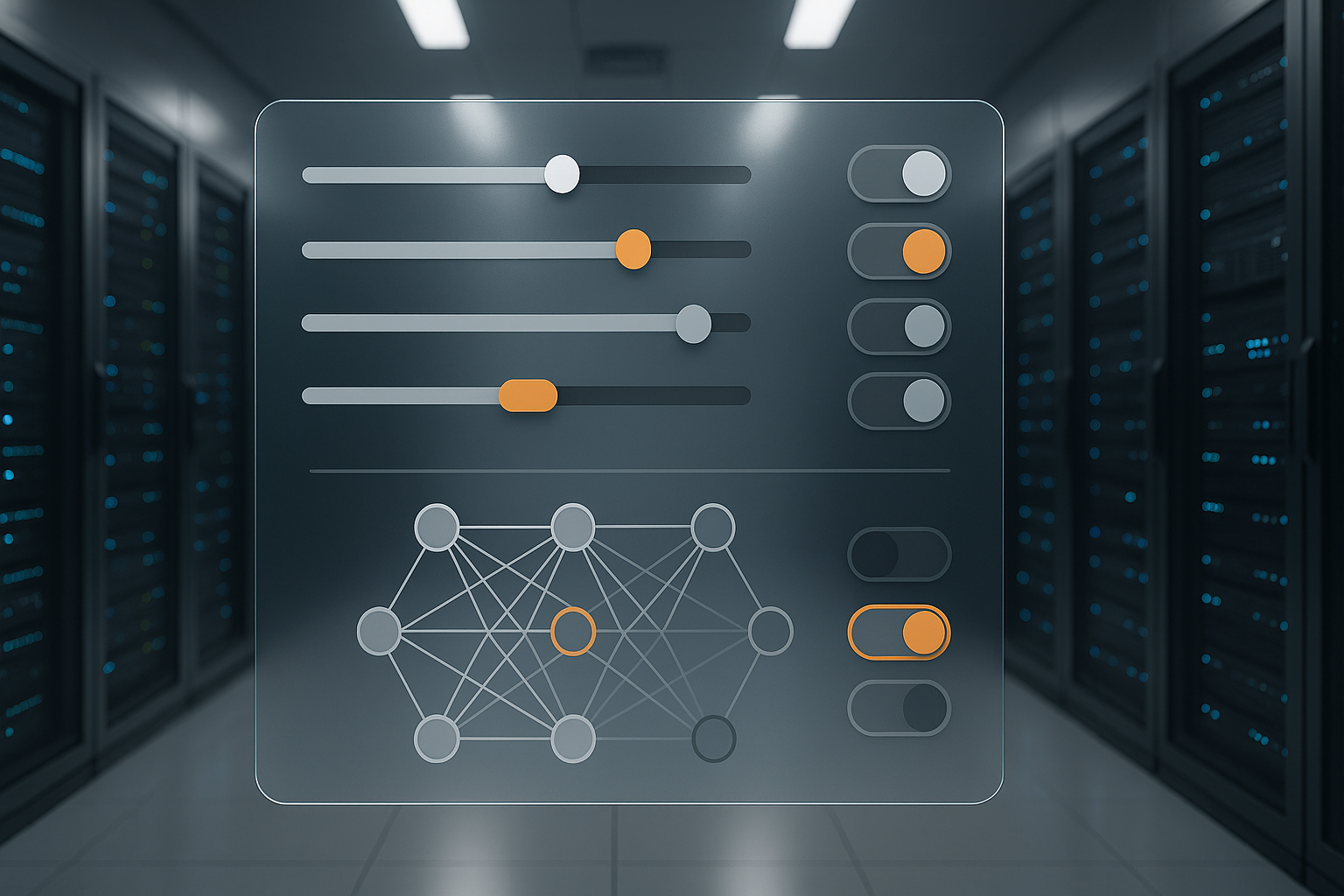
Who Checks the Default Settings of AI Models? 5 Hidden scikit-learn Pitfalls for Business (in Plain English)
Default settings in AI models may seem like technical details, but they can have a major impact on business outcomes. Discover 5 common pitfalls in scikit-learn and how you can prevent unpleasant surprises, even if you’re not a technology expert.
-

AI Chatbots and the Risk of Medical Misinformation: Who Is Accountable for Algorithmic Bias?
AI chatbots can amplify algorithmic bias and the risk of medical misinformation, especially in sensitive decisions. It is vital for developers and regulators to ensure transparency and accountability to protect users. Solutions include audits, source clarification, and clear ethical standards.
-

How UN System Data Commons Is Changing the Game: Global Data and AI at Everyone’s Fingertips
UN System Data Commons provides anyone with reliable global data, simplified using artificial intelligence. The platform enables informed decisions, whether you’re a manager, entrepreneur, or simply curious. Now, access to global statistics is no longer reserved for experts.
-

Jev: The AI Model That Makes Structured Decisions and Provides Probabilities, Not Just Text
Jev is an innovative AI model that delivers structured decisions and calibrated probabilities, not just free-form text. It enables logical automation of business processes and reduces the ambiguity typical of conversational models. With low operating costs and direct integration, Jev is ideal for business applications and risk management.
office@corpquants.ro
+40 727 437 050
Caderea Bastiliei 14