-
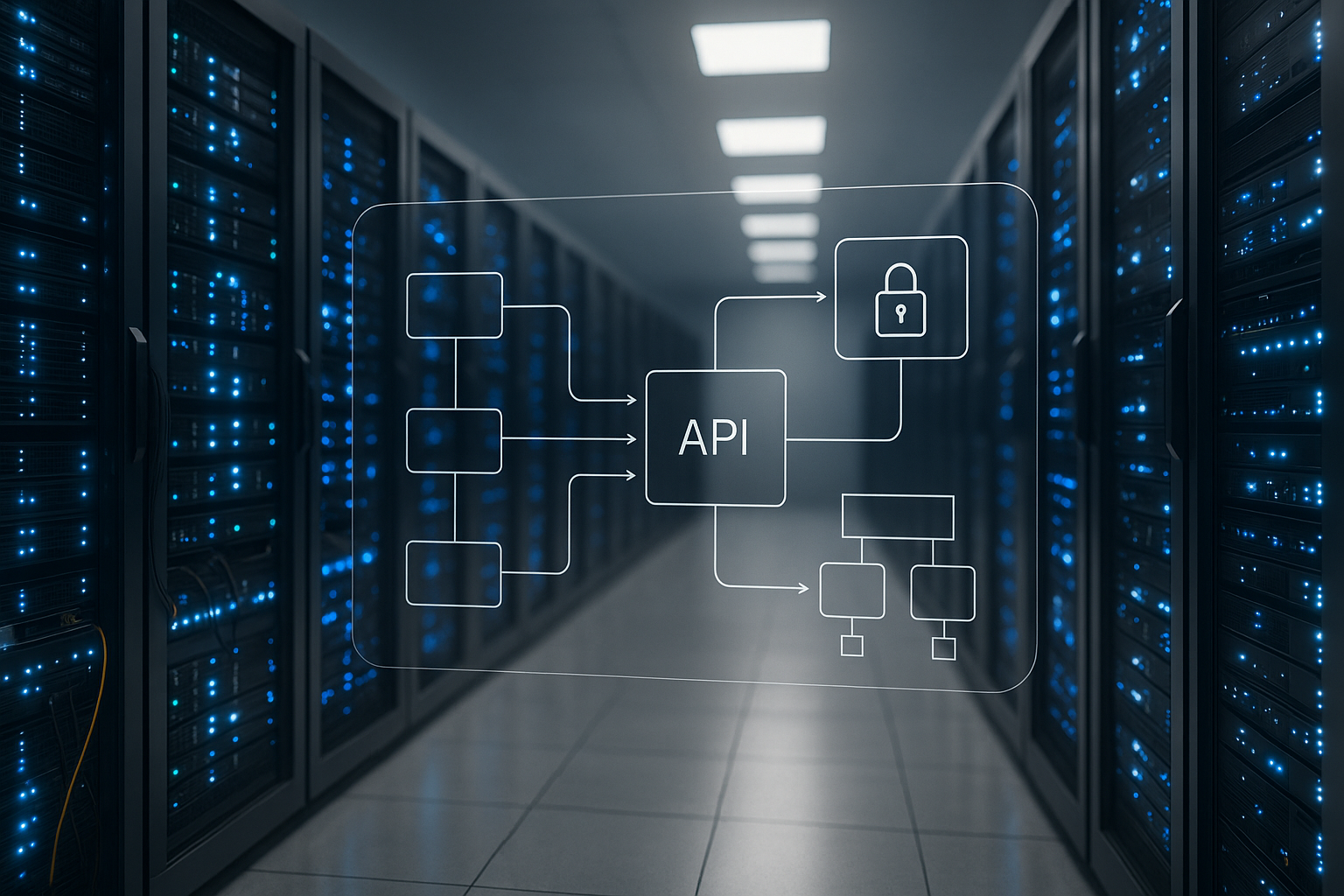
From Model to Value: How to Turn an AI Model into a Useful Business Service
A high-performing AI model does not guarantee business success if it is not efficiently integrated into organizational processes. The article explores the difference between experimentation and implementation, technical and operational challenges, as well as practical steps to turn AI into a valuable business service.
-
How AI Is Changing the Rules of Audit: From Sample Testing to Continuous Assurance
Artificial intelligence is changing how companies protect themselves: checks are no longer occasional, but continuous and automated. AI can quickly detect risks and fraud, helping to ensure the safety of businesses and everyone involved. The future of audit is becoming safer and more efficient for all.
-

Sexualized Deepfakes: The New Face of Digital Violence and the Ethical Challenges for AI
AI-generated sexualized deepfakes are rapidly becoming a serious form of digital abuse, with major consequences for victims and society. The lack of regulation and legal support complicates access to justice, and AI/ML professionals are called to respond ethically and responsibly to these challenges.
-

How Google’s TimesFM-3 Makes Business Forecasting Smarter—No Complicated Formulas Needed
Google has launched TimesFM-3, an AI model that helps companies make more accurate and simpler forecasts by simultaneously analyzing multiple business indicators. The technology promises better decisions and more efficient services, without complicated formulas. It’s a major step toward accessible digitalization for businesses.
-

Bio-Hybrid DNA Memory: The Future of Energy Efficiency in AI and Computing
Bio-hybrid DNA memory, an innovation combining synthetic DNA with semiconductors, can reduce the energy consumption of AI systems by a factor of 100. This technology promises to transform digital infrastructure and accelerate the transition toward sustainable solutions in computing and artificial intelligence.
-

How AI Can Predict Extreme Weather Events Without Historical Data: MIT’s New Tool
MIT has developed an AI capable of predicting extreme weather events without relying on historical data, surpassing the limitations of traditional models. This innovation can help authorities and companies manage climate risks more efficiently and improve preventive planning. A new era for forecasting and adapting to climate change.
-

Biometric Surveillance and Civil Rights: Lessons from the Georgia Case
The use of facial recognition to monitor protesters in Georgia highlights major risks to civil rights in the AI era. The lack of transparency and regulation enables abuses, and AI professionals play a vital role in promoting accountability and public debate. Now is the time for clear rules and collective action to protect fundamental freedoms.
-
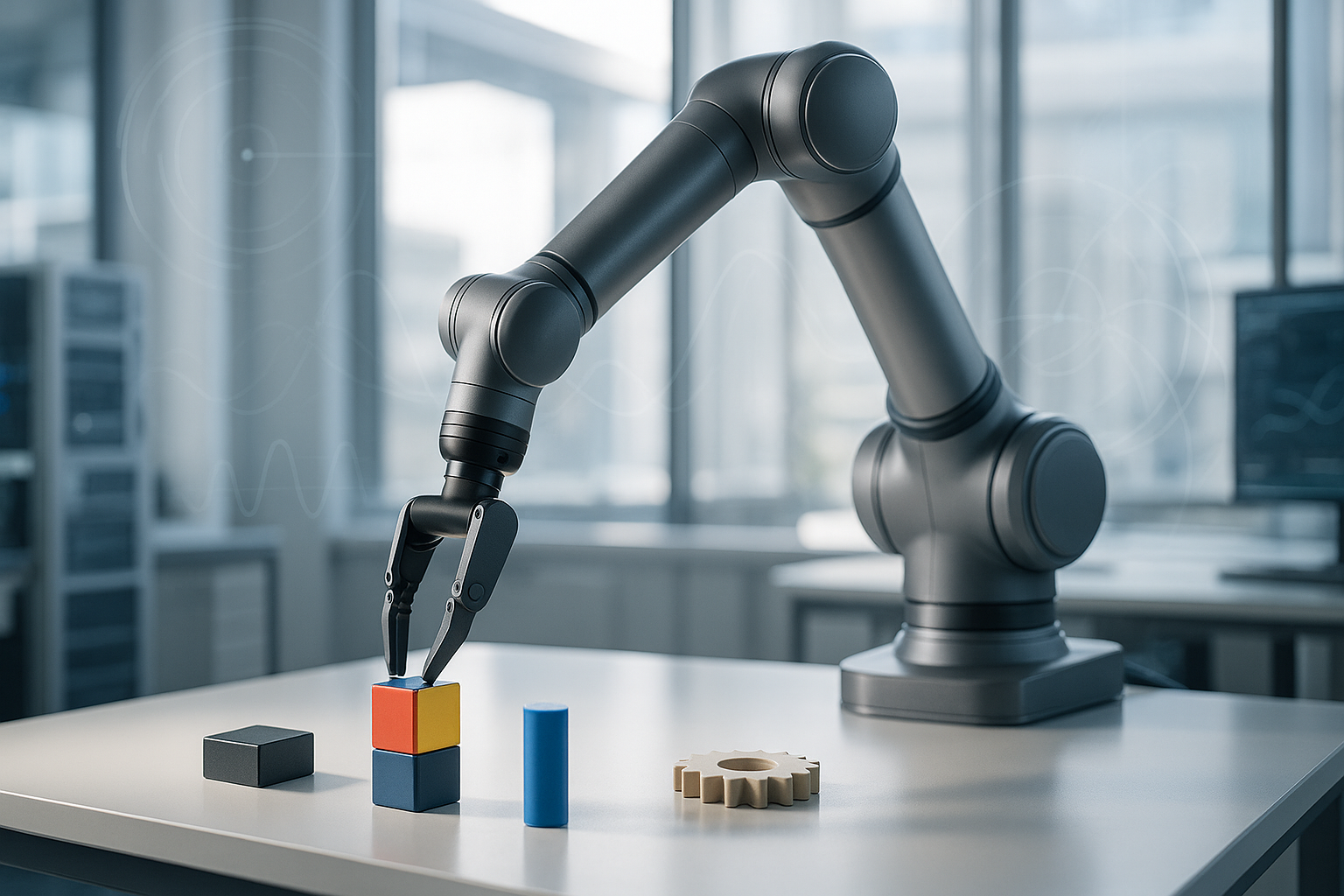
How Robots Learn New Tasks from a Single Demonstration: The GEN-1.5 Revolution Explained Simply
GEN-1.5 is a new technology that allows robots to quickly learn new tasks from a short demonstration, without additional programming. This paves the way for more accessible and flexible automation, both for businesses and everyday life. Robots thus become easier to use and adapt to our needs.
-
The Digital and AI Committee: Why Digital Risk Management Is Becoming Essential for Every Organization
Digital and AI-related risks can no longer be treated as mere IT issues, but as strategic risks for the entire organization. Without governance and dedicated structures, vulnerabilities can impact operations, finances, and reputation. Digital and AI committees are essential for overseeing and managing these risks in an integrated way.
-

How to Measure Uncertainty in Automated AI Decisions: A Practical and Accessible Guide
Not every AI decision should be automated without verification. Measuring uncertainty helps avoid costly mistakes and increases trust in automated decisions. Discover how ‘Bayesian guardrails’ work and how they can be easily applied in business.
office@corpquants.ro
+40 727 437 050
Caderea Bastiliei 14