-

TensorRT Model Connect: NVIDIA Brings Native AI Inference in C++ Directly from Hugging Face, No Extra Steps Required
NVIDIA’s TensorRT Model Connect radically simplifies the conversion of Hugging Face models into native C++ inference artifacts, eliminating intermediate steps and accelerating enterprise-scale AI deployment. This open-source tool reduces costs and complexity, enabling rapid integration of high-performance AI into business applications.
-

Fine-tuning for Everyone: How to Personalize an LLM Model Without Being an AI Expert
Fine-tuning an LLM model means adapting it to your company’s needs and language, without being an AI expert. With relevant data and a few simple steps, any business can have a personalized digital assistant. Discover how to get started and what benefits you can quickly achieve.
-
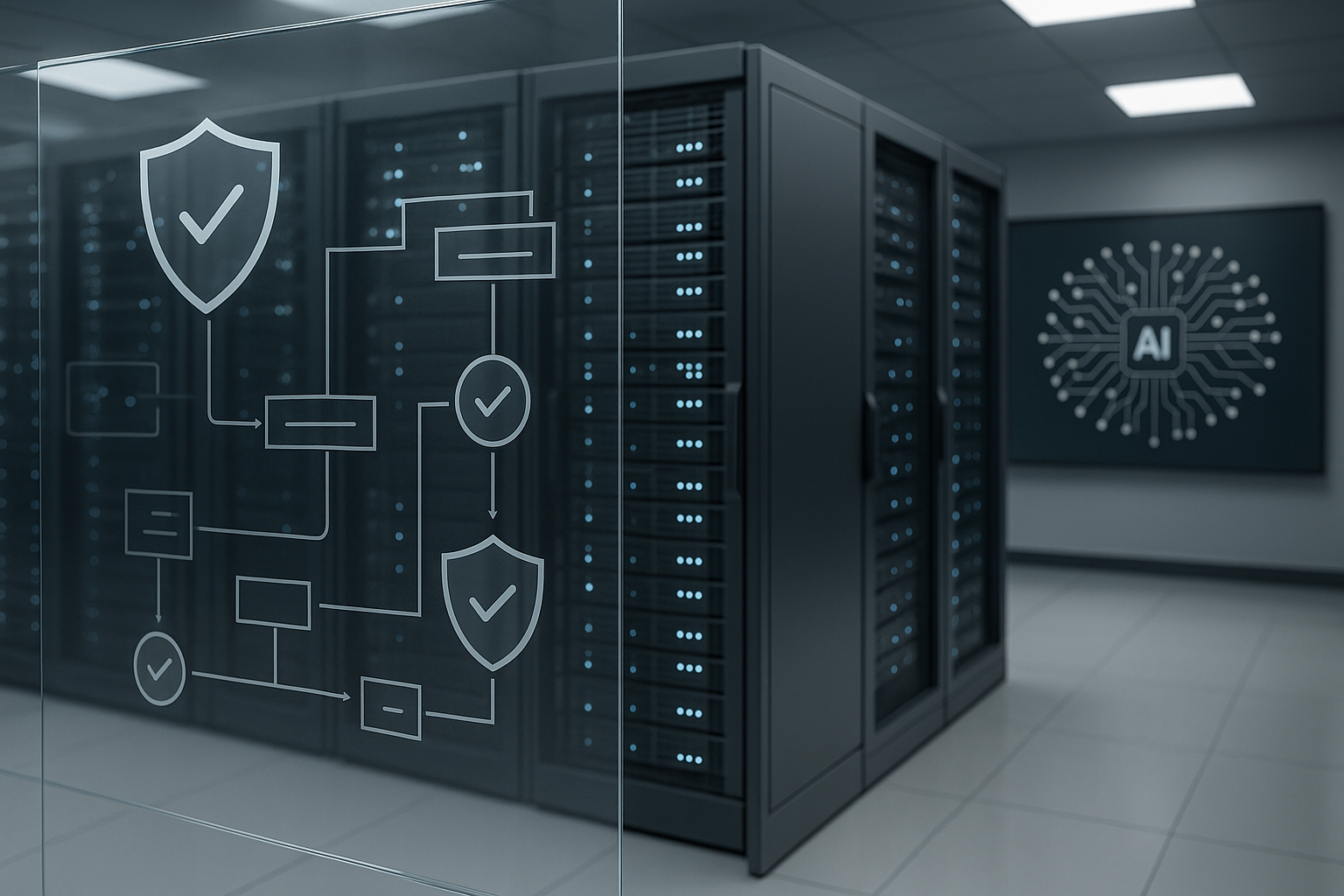
From Prototype to Production: How to Build Responsible and Safe AI for Companies (in Simple Terms)
Artificial intelligence can be a reliable asset for companies, but only if implemented responsibly. Learn what it takes to move from prototype to production and the basic rules for safe, governed, and trustworthy AI. This article explains in simple terms how to use AI with confidence.
-
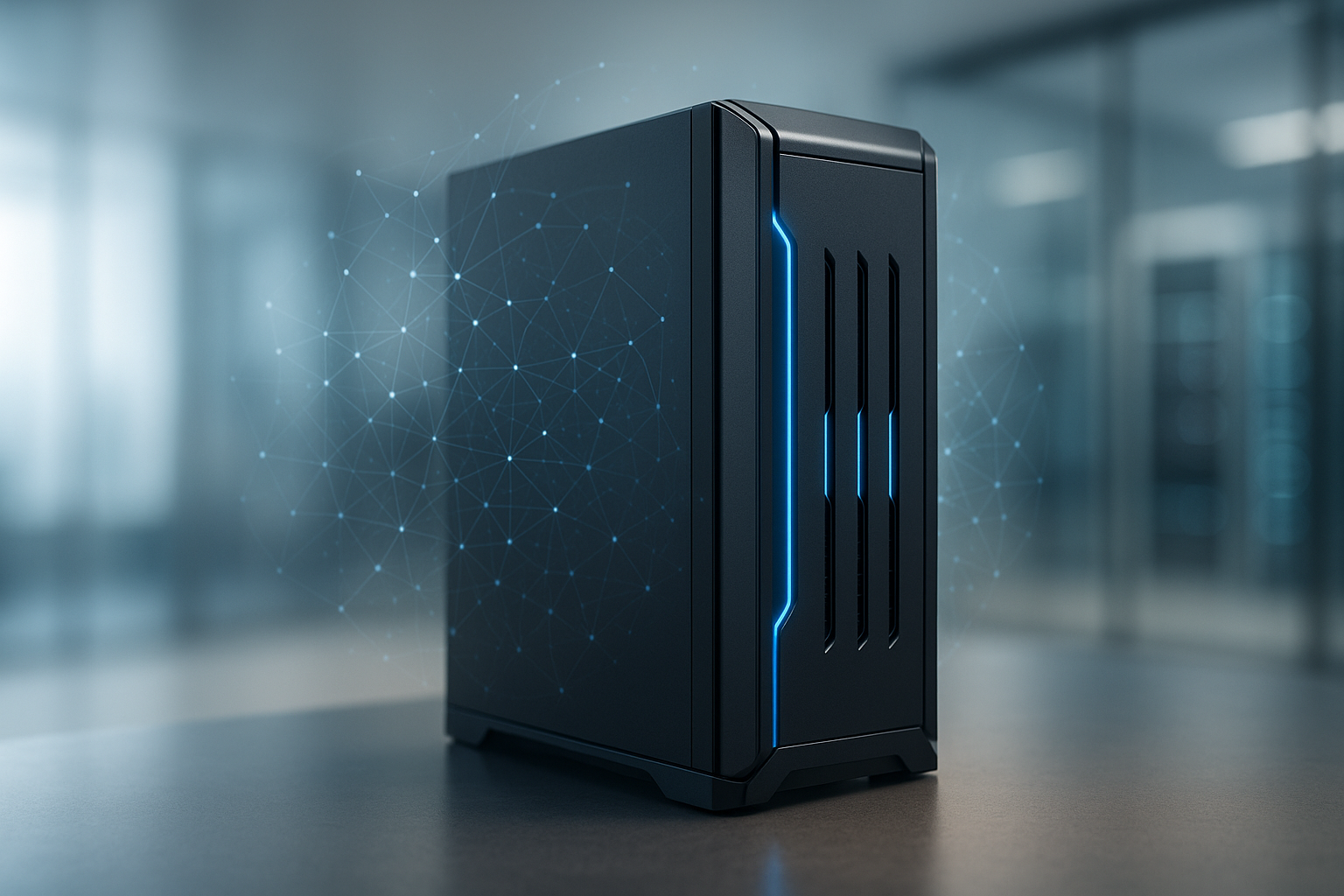
Qwen3.8-27B: How the 27B Parameter AI Model Is Rewriting the Rules for Enterprises – Locally, Without the Cloud
Qwen3.8-27B is an open-source AI model with 27 billion parameters that can be run locally, without the cloud. It provides companies with advanced programming and reasoning capabilities, offering major benefits in privacy, cost, and innovation. This launch marks a key moment for the democratization of AI in the enterprise environment.
-

How DNA-Based Memory Could Make AI 100 Times More Energy Efficient
A new breakthrough combining synthetic DNA with digital technology could make AI 100 times more energy efficient. This innovation promises lower costs, reduced environmental impact, and broader access to artificial intelligence. The future of AI could be greener and more accessible for everyone.
-
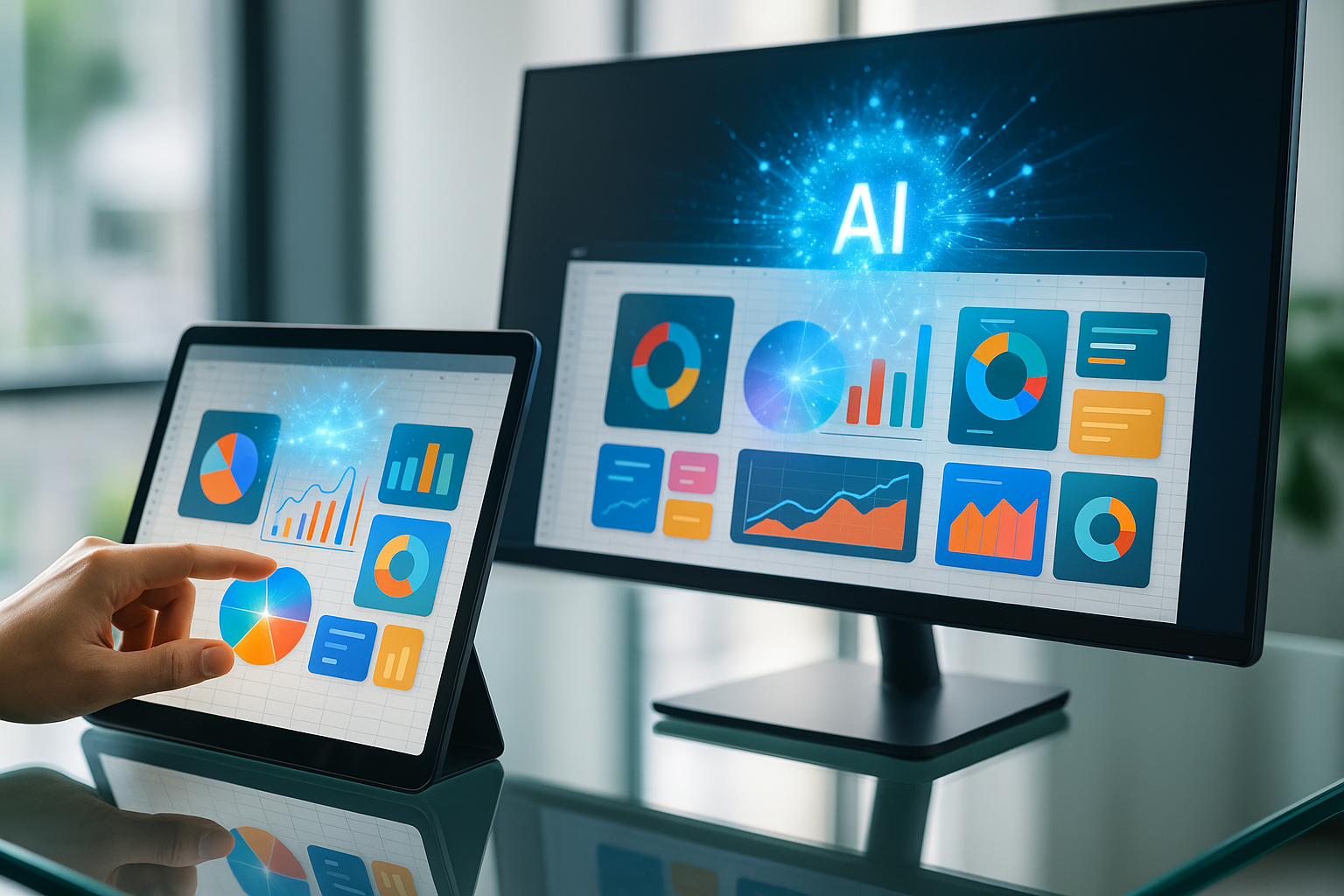
How to Create Interactive Dashboards from Excel with Sheets Canvas and AI – Fast and No Coding Required
Sheets canvas and AI are transforming the way anyone can create interactive dashboards and visual reports from Excel or Sheets data. You don’t need coding or technical skills – just describe what you want to see, and the AI does the rest. Data analysis becomes fast, easy, and accessible to everyone.
-

MIT’s Revolutionary Lidar Chip: How It Will Transform Perception and Safety in Autonomous Vehicles
MIT researchers have created a solid-state lidar chip that promises to revolutionize perception and safety in autonomous vehicles. The new technology reduces costs, increases reliability, and facilitates AI integration into real-time decision-making processes. This breakthrough could accelerate the widespread adoption of autonomous transport.
-

The AI Decision Chain in War: Who Is Accountable When Algorithms Decide Life and Death?
Automating military decisions with AI raises complex ethical and legal dilemmas, especially when algorithms can decide matters of life and death. The lack of transparency and a clear chain of responsibility amplifies the risks of abuse or error. Regulation and auditability are essential to protect human rights in the era of military AI.
-

Variational Autoencoders (VAE) Explained Simply: Why They Matter for the Future of Artificial Intelligence
Variational autoencoders (VAE) are intelligent models that help generate new data, reduce complexity, and detect anomalies. They are already used in many businesses for analysis, automation, and innovation. Discover why this technology is becoming increasingly important for the future of artificial intelligence.
-

Why Digital Risk Is Business Risk: The Role of AI and Digital Committees in Operational Risk Management
Digital risk has become a strategic concern for every organization, extending beyond the IT sphere. Digital transformation and AI bring both opportunities and vulnerabilities that must be managed at the board level. The digital committee and AI governance are essential for effective operational risk management.
office@corpquants.ro
+40 727 437 050
Caderea Bastiliei 14