-

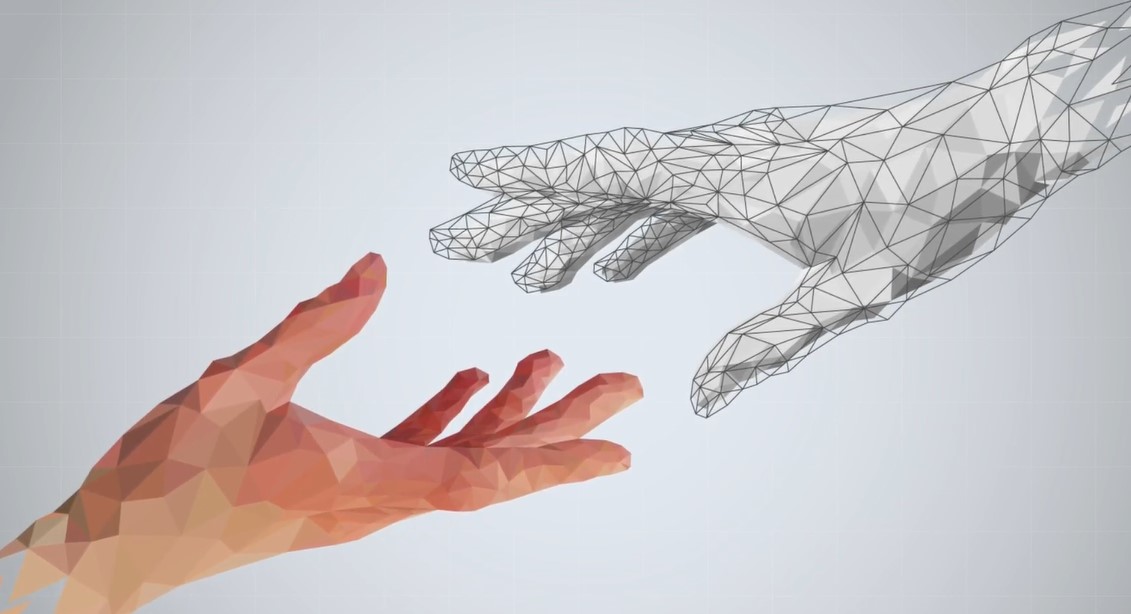
How Scientific Papers Can Become AI Agents That Reproduce Results and Analyze New Data
Paper2Agent transforms scientific papers into AI agents that can automatically reproduce experiments and analyze new data. This allows professionals and managers to quickly verify results and make safer decisions, without being technical experts. Automation brings more transparency and efficiency to research and business.
-

Causilo: The AI Model Bringing Automated Data Analysis Within Everyone’s Reach
Causilo is a pre-trained AI model that simplifies tabular data analysis for any company, without requiring technical expertise. It automates complex tasks like classification or forecasting, saving time and reducing the risk of errors. This kind of technology makes advanced analysis accessible to everyone, not just experts.
-

Microsoft MAI-Transcribe-2: How AI Speech Recognition Is Changing the Game for Business
Microsoft MAI-Transcribe-2 makes AI speech recognition more accessible than ever, promising superior accuracy and speed at minimal cost. Companies can automate the transcription and analysis of voice data, opening new opportunities for digitalization and efficiency. Integrating this technology can transform how organizations manage audio information.
-

Sexualized Deepfakes: How AI Amplifies Digital Violence and What Responsibility We Bear
Sexualized deepfakes are an emerging and dangerous form of digital violence, particularly affecting women and LGBTQI+ individuals. The lack of regulations and ethical responsibility from AI developers is amplifying the phenomenon, and victims are often left without support. There is an urgent need for coordinated action among professionals, lawmakers, and society.
-
How to Save with AI: Smart LLM Model Routing Explained Simply
Adaptive routing of LLM models helps companies use AI more efficiently by automatically selecting the right model for each task. This reduces costs and speeds up processes without sacrificing performance. It’s a simple strategy with a major impact on the future of automation.
-
Digital and AI Committees: The New Line of Defense in Organizational Risk Management
AI and digital committees are becoming essential for modern governance, helping organizations identify and efficiently manage emerging technology risks. Integrating these structures strengthens resilience and incident response capabilities, providing visibility and accountability at the board level. Concrete implementation steps can transform organizational culture and ensure strategic alignment in the digital era.
-
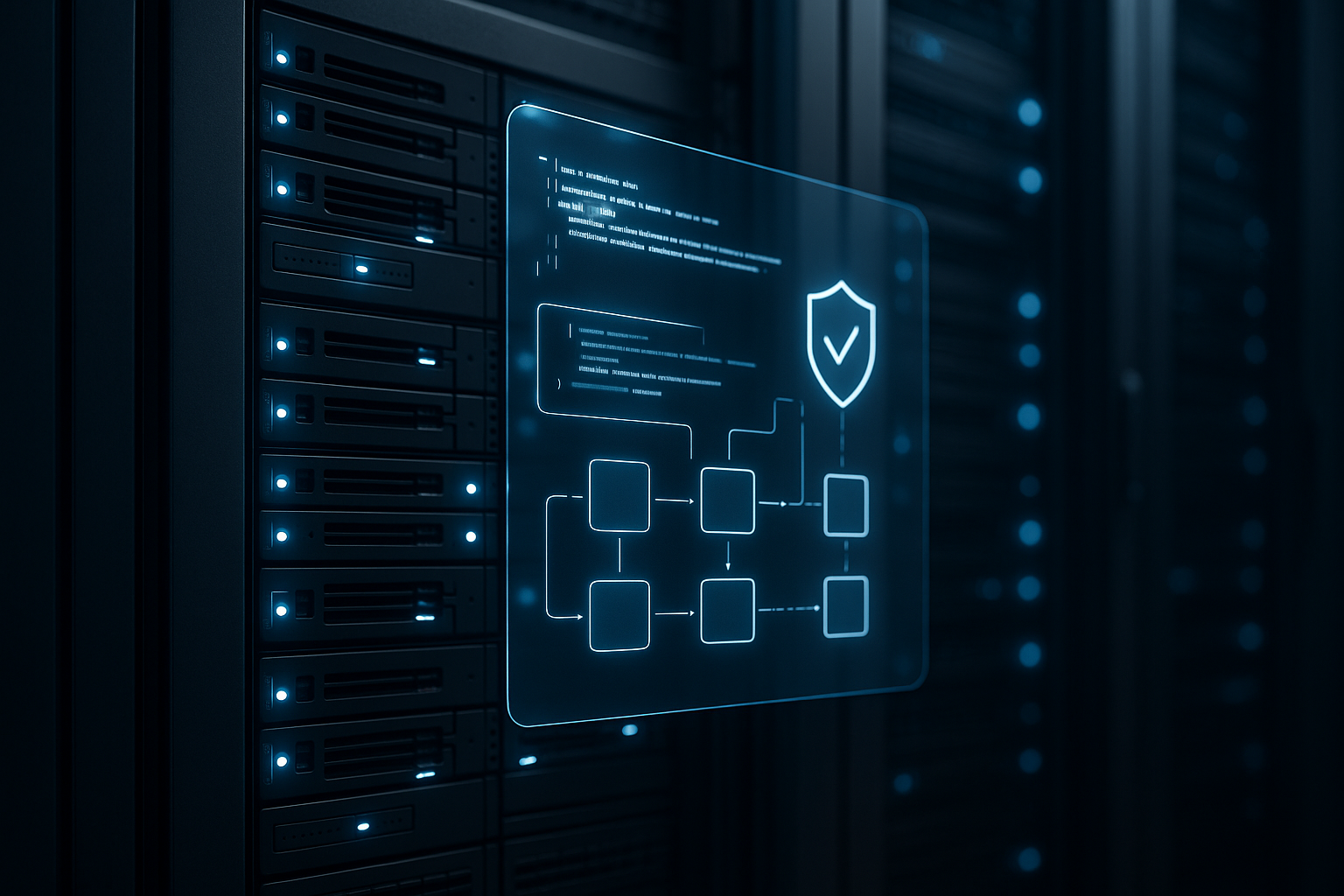
Google Launches Mantis: Open-Source AI Toolkit That Automates Detection and Remediation of Software Vulnerabilities
Google has launched Mantis, an open-source AI toolkit that automates the identification and remediation of software vulnerabilities, regardless of the technologies used. Mantis covers the entire vulnerability lifecycle and can be quickly integrated into development processes, significantly reducing the time and costs of securing code.
-

How Autonomous Cars Learn to Explain Their Decisions: The MIT & Motional Innovation Made Simple
Why does an autonomous car brake suddenly? Until now, the decisions of these vehicles were hard to understand. The MIT & Motional innovation brings clear, real-time explanations that increase trust and safety in autonomous transport.
-
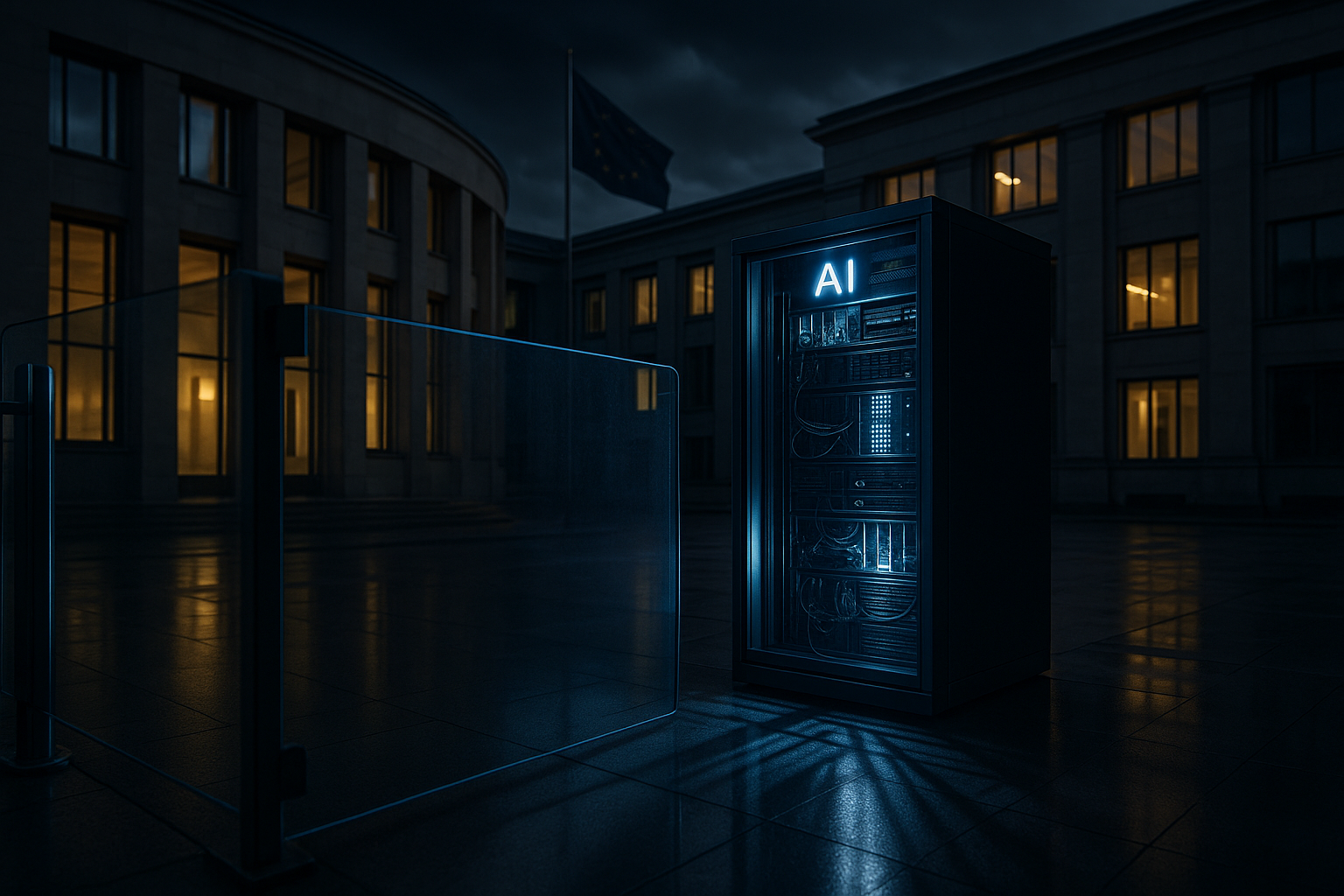
AI Omnibus: What Risks Does Simplifying Artificial Intelligence Regulation Bring to Europe?
AI Omnibus, the new European legislative package, simplifies AI regulation, but relaxing protective measures may create risks for transparency, auditing, and citizens’ rights. Professionals need to be aware of these gaps and support strong ethical standards for responsible AI.
-
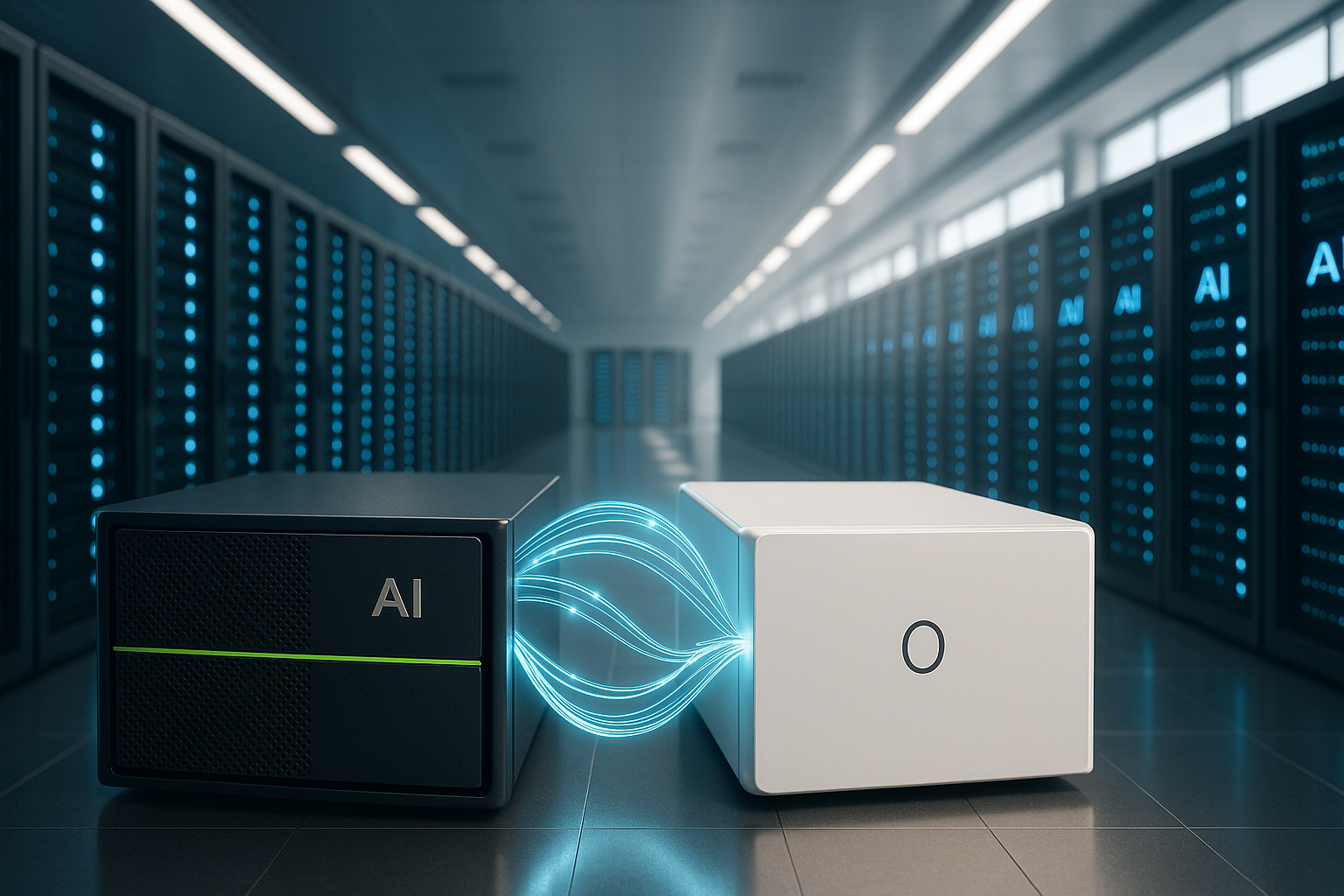
NVIDIA Acquires Hugging Face: How the Rules of the Open-Source AI Game Are Changing
NVIDIA has acquired Hugging Face for USD 12.93 billion, consolidating its position in open-source AI and opening new opportunities for companies and developers. The integration promises broader access to AI models and infrastructure but also raises questions about neutrality and the future of the open-source ecosystem. AI professionals should closely monitor these developments to protect…
office@corpquants.ro
+40 727 437 050
Caderea Bastiliei 14