


CQ | Mass Biometric Recognition: Why a Ban Is Essential to Protect Civil Rights
⚡ Reper CorpQuants: The normalization of mass biometric surveillance would irreversibly compromise individuals’ autonomy and fundamental rights, transferring decision-making responsibility from people to opaque and difficult-to-challenge systems.
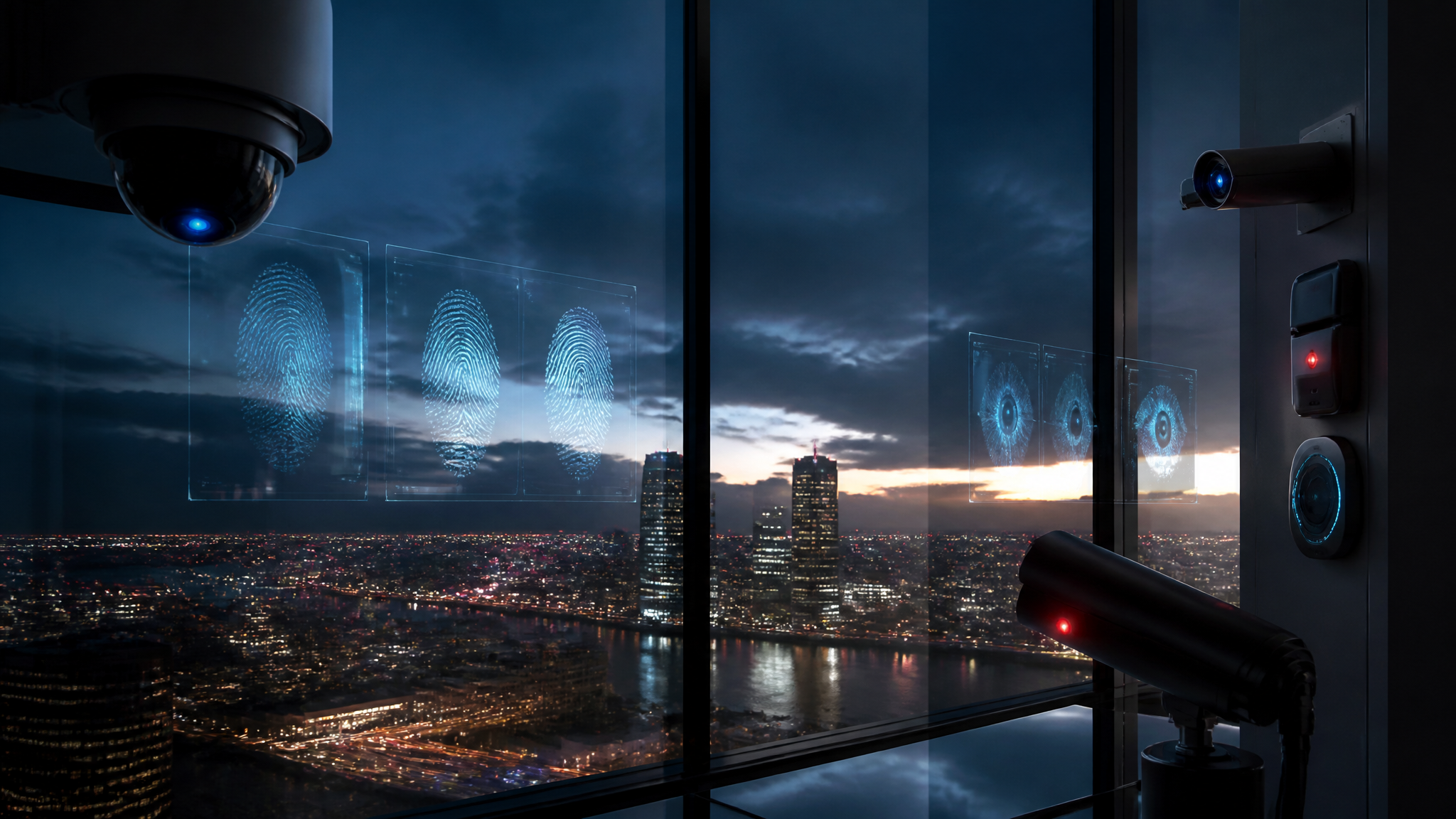
Imagine a world where every movement is tracked, every facial expression analyzed, and every personal decision becomes a piece of a digital puzzle. Mass biometric recognition systems are no longer just science fiction scenarios, but a reality threatening to redefine the boundaries of privacy and individual freedom.
In the context of legislative debates in Europe, professionals and managers in the AI/ML field face a dilemma of responsibility: what do we lose—as individuals and as a society—if we accept biometric surveillance as the norm? It is time to analyze not only the technological risks, but also the profound impact on roles, autonomy, and civil rights.
Context and Current Situation: From Innovation to Systemic Surveillance
Biometric recognition technologies—whether facial identification, gait analysis, or voice recognition—have evolved rapidly, becoming standard tools for authentication and security. However, once implemented on a large scale, these systems go far beyond their specific utility, entering the realm of generalized surveillance.
In the European Union, discussions on regulating these technologies have become increasingly intense. Germany, for example, is explicitly debating the ban of biometric recognition in public spaces, under pressure from civil rights organizations and AI ethics experts. The European AI Act proposes strict restrictions, yet leaves room for exceptions that can be exploited.
Practical Implications: Bias, Discrimination, and Loss of Autonomy
The impact of these systems is not merely a technological issue. In practice, mass biometric recognition introduces major risks for vulnerable groups, as well as for the entire professional society:
- Algorithmic bias: Facial recognition models have demonstrated significantly higher error rates for people of color, women, or other minorities, leading to misidentifications, abusive investigations, and stigmatization.
- Systemic discrimination: Unchecked implementation of these technologies can amplify existing inequalities, affecting access to services, jobs, or even freedom of movement.
- Loss of professional autonomy: In organizations, biometric surveillance can transform workplace culture into one of permanent suspicion, reducing initiative and trust between employees and management.
Moreover, responsibility for decisions made based on these systems becomes diffuse. Who is accountable for a misidentification? How can a professional challenge an algorithmic decision when processes are opaque and data is inaccessible?
Conclusion: Arguments for a Ban and Necessary Steps
The normalization of mass biometric recognition would create a dangerous precedent, where fundamental rights become negotiable in the name of security or operational efficiency. For professionals involved in developing, implementing, or procuring these technologies, responsibility cannot be shifted to algorithms or vendors. A firm stance is needed: banning the use of these systems in public spaces and for generalized surveillance is the only real guarantee for protecting autonomy and human dignity.
- Adoption of clear regulations that explicitly ban mass biometric recognition, without ambiguous exceptions.
- Increased transparency and control over how biometric data is collected and processed.
- Active involvement of AI/ML professionals in assessing the social and ethical impact of developed technologies.
Ultimately, the decision to ban mass biometric recognition is not just a matter of legal compliance, but one of professional and social responsibility. Without such a limit, the risk that technology will undermine individual freedom and trust in institutions becomes unacceptable.
(This material was assisted by an AI tool and reviewed by our team before publishing).