-

Real-Time Auctions for LLM Inference: How Liquid Inference Is Changing the Game for Enterprises
Liquid Inference introduces a marketplace where AI providers compete in real time for each inference request, allowing companies to automatically optimize costs and performance. This model brings flexibility, control, and democratizes access to high-performance AI, fundamentally changing how businesses manage their AI budgets.
-

Google Raises the Privacy Bar: Federated Learning with TEE and External Audit Already in Gboard
Google is moving sensitive AI processing from Gboard into security enclaves (TEE) on the server and allows external audits of policies and code. This approach increases data protection and sets a new transparency standard for AI applied to personal data. The model is already operational and replicable for companies that prioritize privacy.
-
NVIDIA Kumo Tabular: Open-Source AI Models That Radically Simplify Predictions on Tabular Data
NVIDIA Kumo Tabular brings fast AI predictions to tabular data, without additional training or complex adjustments. The open-source solution enables business process automation and rapid prototyping, lowering technical barriers for companies and analysts. A major step toward democratizing AI in operational environments.
-

Microsoft MAI-Transcribe-2: How AI Voice Recognition Is Changing the Game for Businesses
Microsoft MAI-Transcribe-2 introduces AI voice recognition at a groundbreaking price of $0.10/hour, undercutting competitors. The model promises superior speed and accuracy, making business process integration easier and democratizing audio data analysis. It’s a major opportunity for companies aiming to accelerate digitalization and automation.
-

The AI That Gives Wings to Robots: How MIT Increased the Speed of Flying Robots by 4.5 Times
MIT researchers used AI to increase the speed and agility of a flying robot by 450%, bringing it closer to insect-like performance. This innovation enables complex maneuvers and opens new use cases in industry, emergency response, and exploration of hazardous environments. AI thus becomes a major catalyst for the physical robotics revolution.
-

Jev: The AI Model That Makes Structured Decisions and Provides Probabilities, Not Just Text
Jev is an innovative AI model that delivers structured decisions and calibrated probabilities, not just free-form text. It enables logical automation of business processes and reduces the ambiguity typical of conversational models. With low operating costs and direct integration, Jev is ideal for business applications and risk management.
-

Microsoft MAI-Transcribe-2: How AI Speech Recognition Is Changing the Game for Business
Microsoft MAI-Transcribe-2 makes AI speech recognition more accessible than ever, promising superior accuracy and speed at minimal cost. Companies can automate the transcription and analysis of voice data, opening new opportunities for digitalization and efficiency. Integrating this technology can transform how organizations manage audio information.
-

Google Launches Mantis: Open-Source AI Toolkit That Automates Detection and Remediation of Software Vulnerabilities
Google has launched Mantis, an open-source AI toolkit that automates the identification and remediation of software vulnerabilities, regardless of the technologies used. Mantis covers the entire vulnerability lifecycle and can be quickly integrated into development processes, significantly reducing the time and costs of securing code.
-
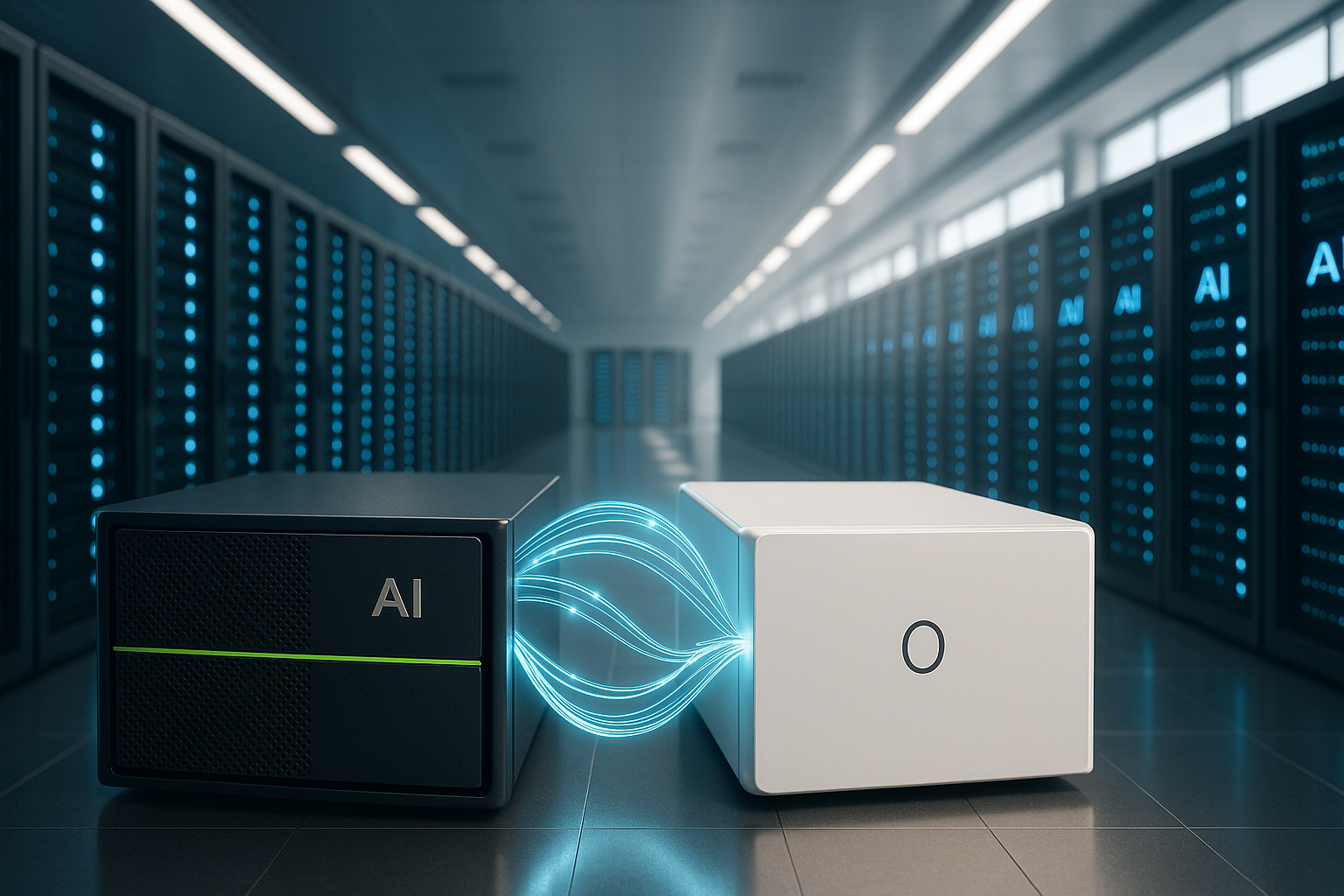
NVIDIA Acquires Hugging Face: How the Rules of the Open-Source AI Game Are Changing
NVIDIA has acquired Hugging Face for USD 12.93 billion, consolidating its position in open-source AI and opening new opportunities for companies and developers. The integration promises broader access to AI models and infrastructure but also raises questions about neutrality and the future of the open-source ecosystem. AI professionals should closely monitor these developments to protect…
-
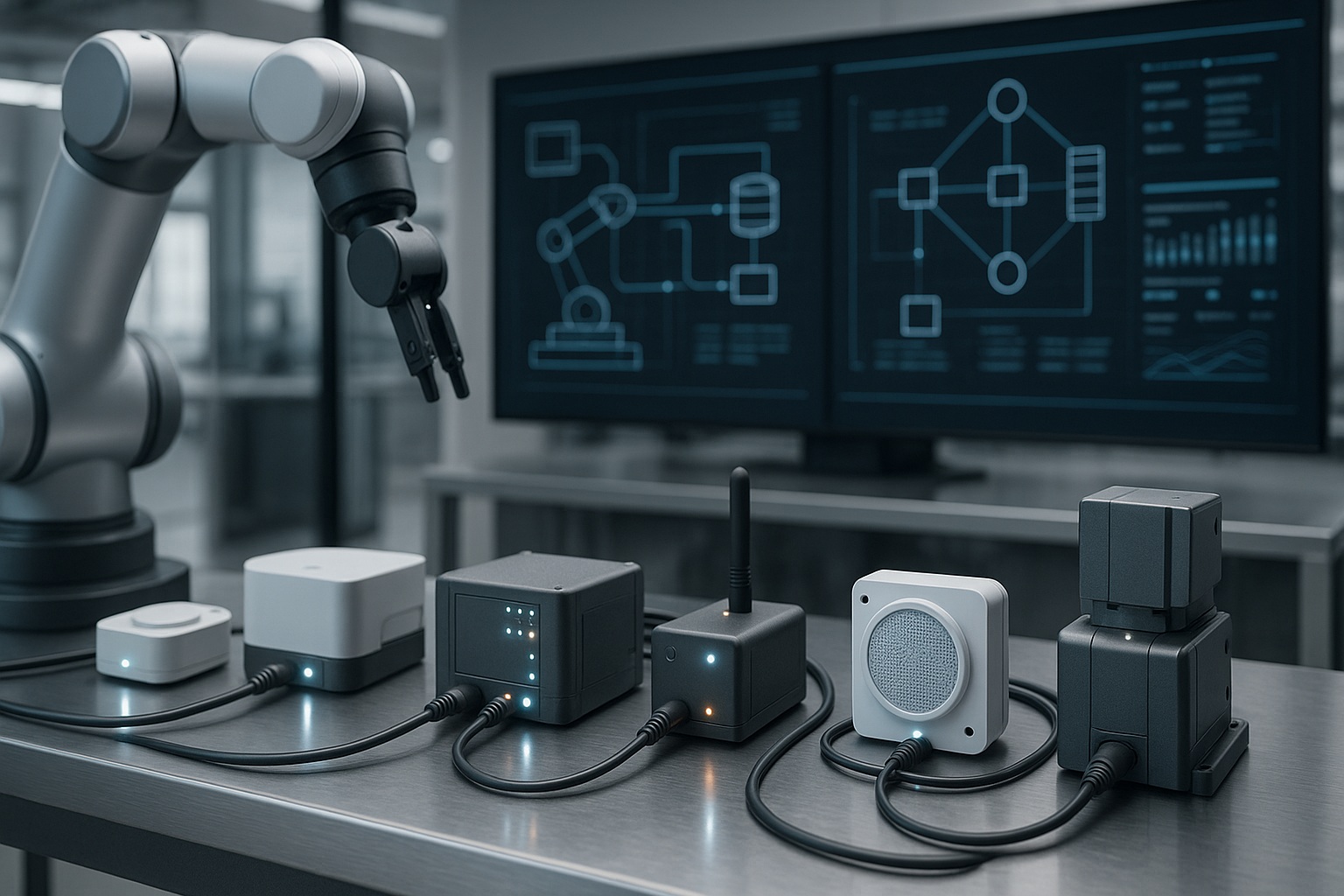
Anthropic Launches Model Hardware Standard: Accelerating and Securing AI Integration with Physical Devices
Anthropic introduces the Model Hardware Standard (MHS), an open standard that simplifies and secures AI integration with physical devices. MHS reduces integration time from months to hours and helps companies quickly adopt intelligent automation with much lower operational risks. This step promises to accelerate digital transformation in industry, robotics, and IoT.
office@corpquants.ro
+40 727 437 050
Caderea Bastiliei 14