


CQ | Biometric Surveillance and Civil Rights: Lessons from the Georgia Case
⚡ Reper CorpQuants: Uncontrolled implementation of facial recognition technologies can undermine civil rights and freedom of expression; AI professionals have the responsibility to promote transparency, regulation, and public debate to prevent abuses.
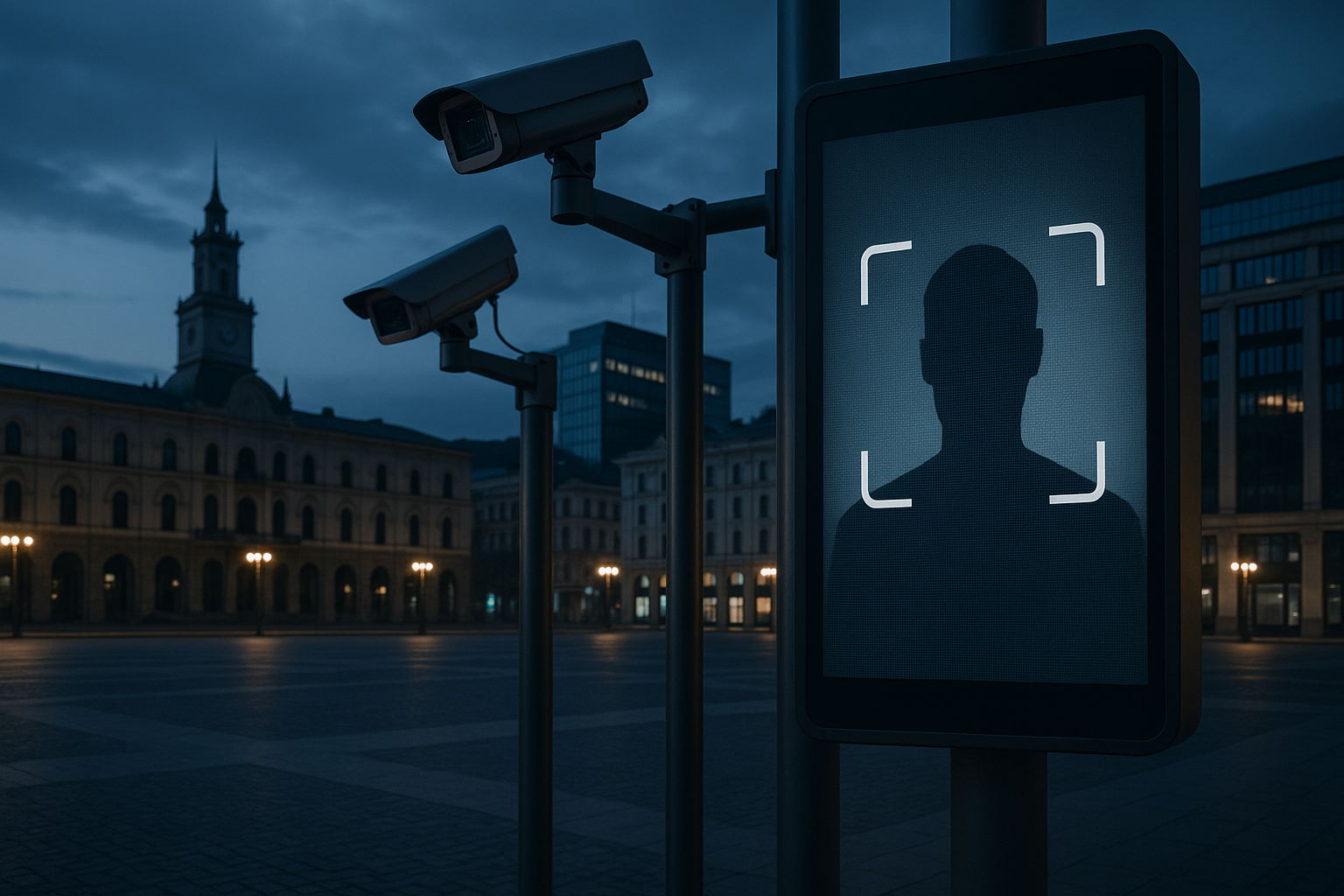
When technology becomes a tool of control, fundamental freedoms can be put at risk. Recently, the use of Russian facial recognition software in Georgia has sparked serious concerns about the surveillance of activists and the restriction of peaceful protests.
This case brings essential questions back to the forefront regarding how biometric surveillance systems powered by artificial intelligence can affect civil rights. For professionals and managers in the AI/ML field, it is crucial to understand the ethical and social implications of these technologies, as well as the responsibility to contribute to a safe and fair usage framework.
Biometric Surveillance Context: Between Innovation and Risk
Facial recognition technologies have evolved rapidly over the past decade, being widely adopted in both the private and public sectors. These systems promise increased efficiency in identifying individuals, preventing crimes, or optimizing services. However, their use without a clear regulatory framework raises major ethical and civil rights concerns.
Especially in tense political contexts, facial recognition can become a tool of mass surveillance, with the potential for intimidation and social control. This risk becomes even more acute when the technology is implemented without transparency or public debate.
The Georgia Case: Protest Surveillance with Russian Software
In 2024, international media revealed that authorities in Georgia used Russian facial recognition software to monitor participants in peaceful protests against a controversial “foreign agents” law. According to investigations, the system enabled the rapid identification of activists and opinion leaders, facilitating pressure and intimidation against them.
This precedent has generated international concern, being considered an example of abusive use of AI technologies to restrict fundamental rights, especially freedom of expression and the right to peaceful protest.
Practical Risks: Abuse, Discrimination, and Lack of Control
1. Suppression of Protests and Intimidation of Activists
Facial recognition systems allow for the rapid identification of individuals involved in demonstrations or civic actions. In the absence of strong legal safeguards, this can lead to intimidation, arbitrary arrests, or reprisals, severely affecting civic participation.
2. Lack of Transparency and Democratic Oversight
The implementation of surveillance technologies without public consultation and independent audits increases the risk of abuse. Citizens do not know who has access to their data, how it is used, or what protection measures exist. Moreover, the lack of clear regulations can lead to discrimination, misidentification, and violations of privacy.
3. The Urgent Need for Regulation and Public Debate
Without a robust legal framework, AI surveillance technologies can be used arbitrarily, undermining public trust and democratic values. It is essential for civil society, experts, and industry to be involved in drafting clear rules regarding the use, storage, and access to biometric data.
- Establishing strict criteria for the use of facial recognition by authorities
- Full transparency regarding the acquisition and implementation of surveillance technologies
- Independent audits and regular human rights impact assessments
- Informing and consulting the public before adopting such systems
Lessons for AI Professionals: Responsibility and Action
For professionals and managers involved in developing and implementing AI/ML solutions, the Georgia case is a wake-up call. Responsibility is not limited to the technical performance of systems, but also includes assessing their social and ethical impact.
- Promoting transparency: Ensure that biometric data collection and processing procedures are documented and open to external audit.
- Consultation and collaboration: Involve ethics experts, civil society representatives, and regulators at all stages of the project.
- Impact assessment: Conduct human rights impact assessments before implementing any biometric surveillance system.
- Supporting regulation: Support legislative initiatives aimed at protecting civil rights in the era of AI surveillance.
Conclusion: The Path Towards Responsible Surveillance
The Georgia case demonstrates how quickly AI technologies can be diverted from legitimate purposes to practices that threaten fundamental freedoms. For the AI/ML community, the lesson is clear: innovation must be accompanied by responsibility, transparency, and commitment to human rights.
Only through clear regulations, independent audits, and the active involvement of all social actors can we build a future in which technology serves the citizen, rather than surveilling them abusively.
(This material was assisted by an AI tool and reviewed by our team before publishing).