-

Autonomous Artificial Intelligence Is Changing the Rules of Business: What Managers and Professionals Need to Know
Autonomous artificial intelligence is no longer just a promise, but a reality transforming how companies operate. The benefits are significant, but new risks are emerging as well. Managers and professionals need to stay informed and be prepared for this rapid change.
-

How AI Is Changing the Data Scientist Role: Simple Explanations for Everyone
Artificial intelligence is profoundly changing the data scientist profession by automating repetitive tasks and bringing critical thinking and communication skills to the forefront. The data scientist is becoming an AI process orchestrator, with new responsibilities and competencies. Adapting to these changes is essential for professional success in the digital age.
-

Causilo: The AI Model Bringing Automated Data Analysis Within Everyone’s Reach
Causilo is a pre-trained AI model that simplifies tabular data analysis for any company, without requiring technical expertise. It automates complex tasks like classification or forecasting, saving time and reducing the risk of errors. This kind of technology makes advanced analysis accessible to everyone, not just experts.
-
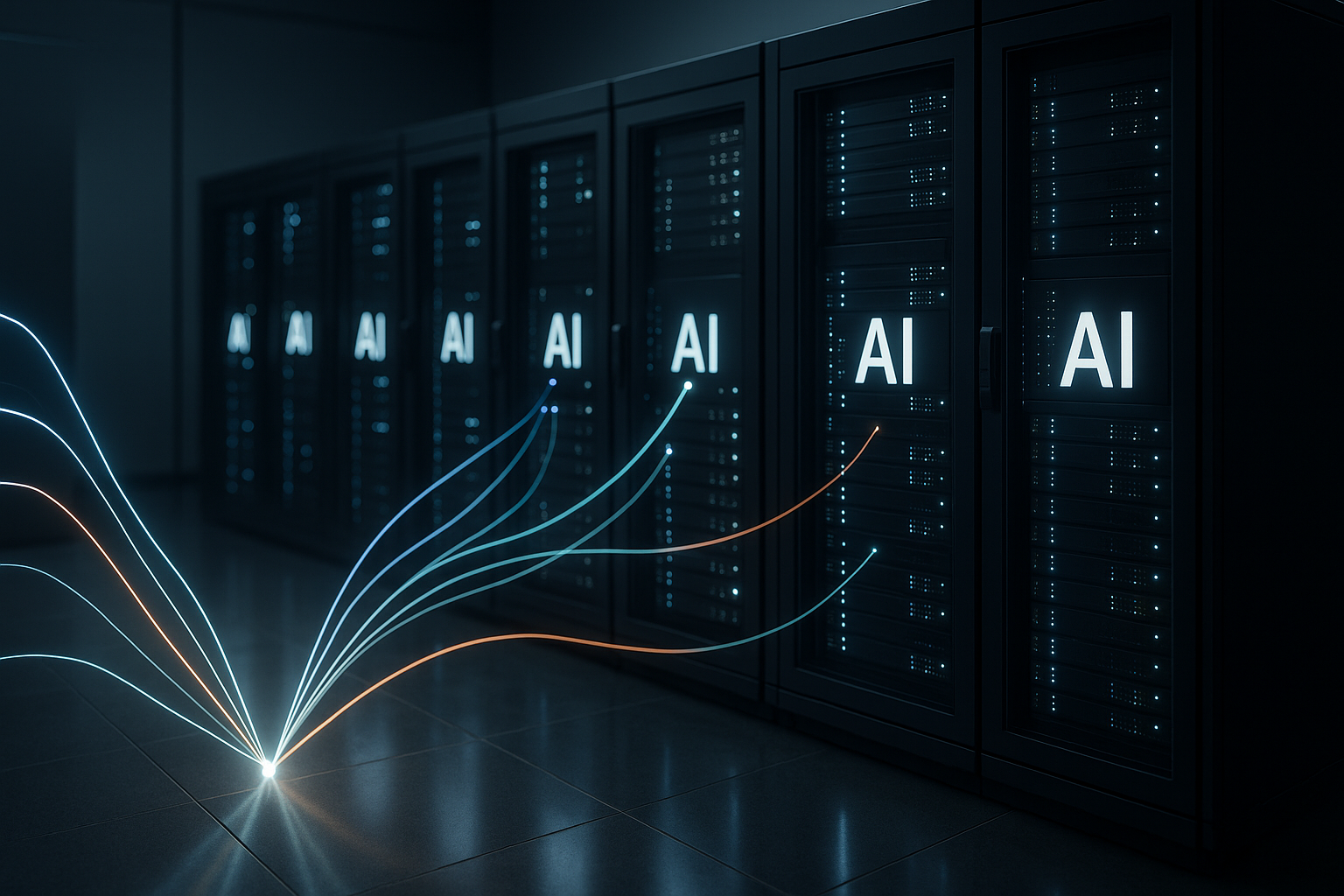
How to Save with AI: Smart LLM Model Routing Explained Simply
Adaptive routing of LLM models helps companies use AI more efficiently by automatically selecting the right model for each task. This reduces costs and speeds up processes without sacrificing performance. It’s a simple strategy with a major impact on the future of automation.
-
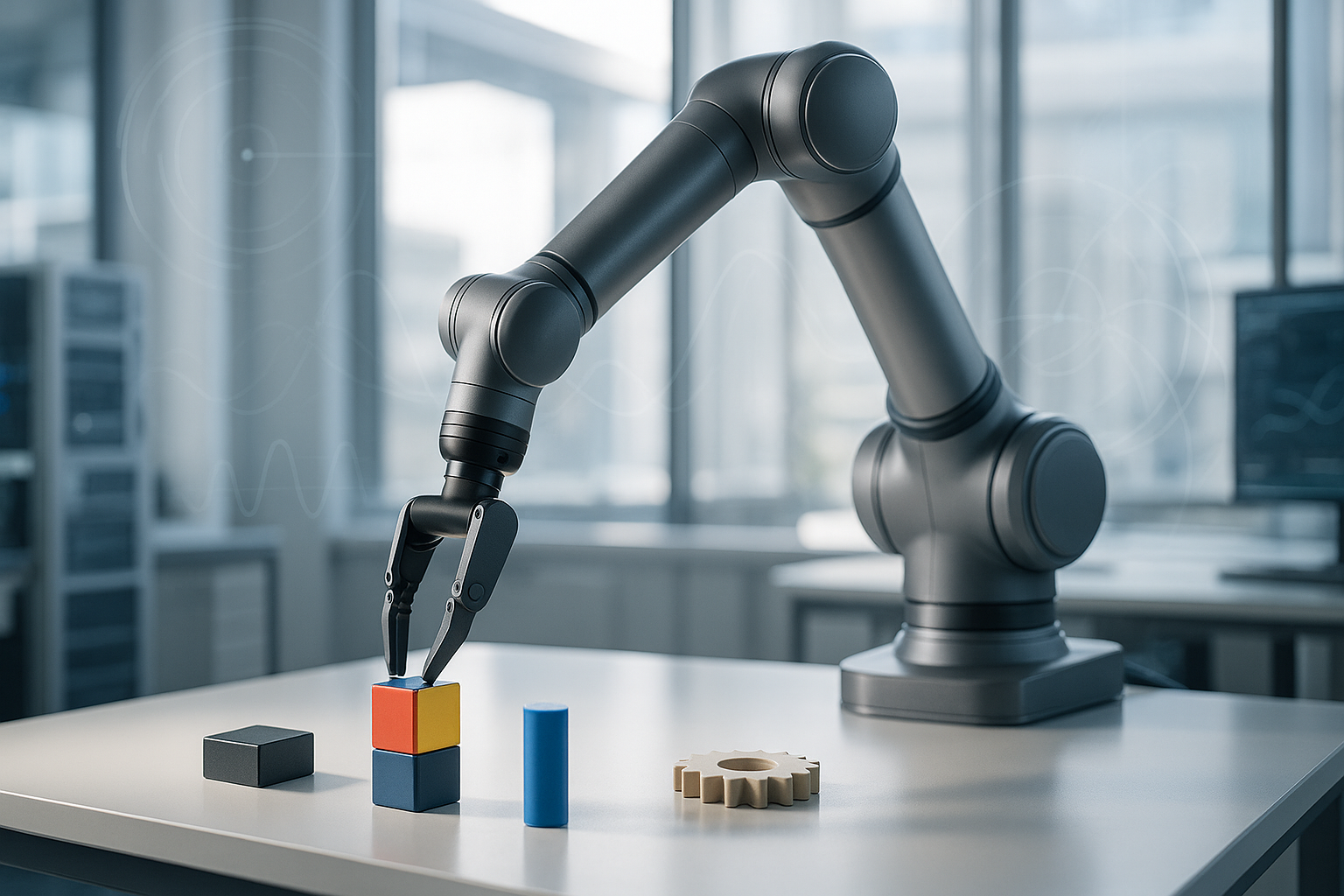
How Robots Learn New Tasks from a Single Demonstration: The GEN-1.5 Revolution Explained Simply
GEN-1.5 is a new technology that allows robots to quickly learn new tasks from a short demonstration, without additional programming. This paves the way for more accessible and flexible automation, both for businesses and everyday life. Robots thus become easier to use and adapt to our needs.
-

When the Algorithm Recommends, Who Is Accountable for the Decision?
AI does not eliminate people from organizations. It compels them to become better. While artificial intelligence can automate operations and provide recommendations, it cannot fully replace human responsibility, discernment, and contextual understanding. The real transformation is a shift in the human role, not its disappearance.
-

Why More AI Agents Can Slow Down Systems: Hidden Costs and Business Lessons
Adding more AI agents does not automatically lead to greater efficiency. Resource bottlenecks and hidden costs can quickly arise without proper planning and monitoring. Learn how to avoid these pitfalls to truly benefit from automation.
-

10 Open-Source No-Code Platforms for AI and Automation: A Practical Guide for Everyone
Artificial intelligence is becoming accessible to everyone, not just programmers. Open-source no-code platforms enable rapid AI application development and automation of repetitive tasks without technical skills. Discover 10 easy-to-use solutions and practical examples for business and everyday activities.
-

AI and Critical Thinking: When the Digital Assistant Starts Thinking for Us
AI is useful precisely because it reduces cognitive effort. It summarizes, compares, classifies, formulates, and checks hypotheses, transforming in seconds tasks that once required time, attention, and patience. For companies, the promise is powerful: faster decisions, smoother processes, and increased productivity.
-

Tail Control: How to Ensure the Reliability of Agentic AI Workflows in Business
Tail control is the key to reliable AI automation: it’s not just speed or average accuracy that matters, but also controlling extremes and variation. Companies can increase the predictability and safety of AI workflows by applying strategies such as adaptive timeouts, redundancy, and active monitoring.
office@corpquants.ro
+40 727 437 050
Caderea Bastiliei 14