


CQ | The November 18, 2026 Earthquake: When the Future Vibrated in Your Phone
⚡ CorpQuants Insight:
The November 18, 2026 earthquake highlighted two different warning mechanisms: one institutional and the other technology-driven and automated. How did Android phones manage to detect the earthquake, and what does this event tell us about technological progress?
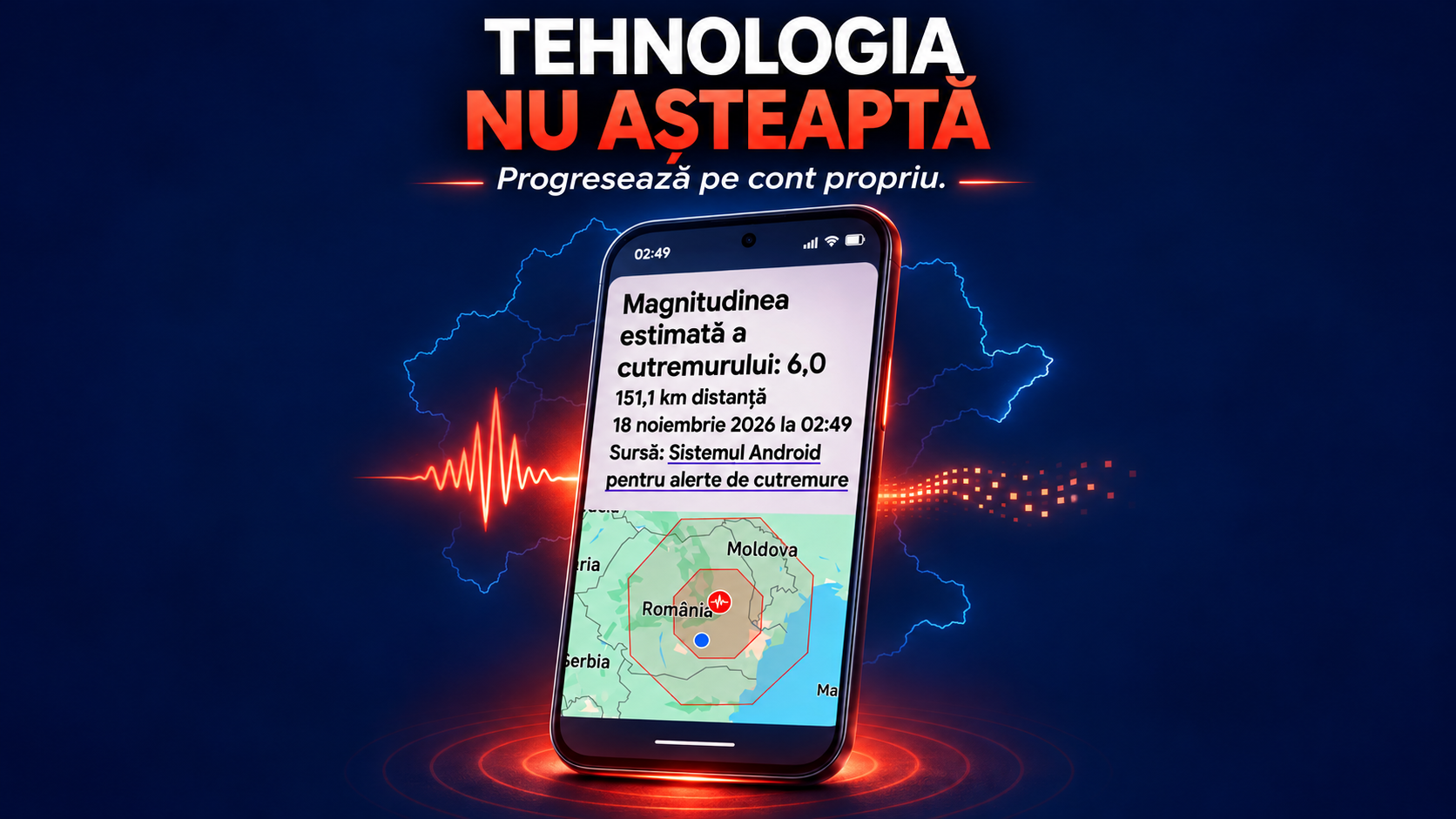
“On the morning of November 18, 2026, at 2:48 a.m., the ground shook. Romania’s RO-Alert system did not issue an earthquake warning, in accordance with the authorities’ established policy of avoiding panic. Yet, at 2:49 a.m., an alert appeared on thousands of Android phones. The screenshot I received showed an estimated magnitude of 6.0; the earthquake was later assessed at 5.7. This was neither a decision made by the authorities nor a change in public earthquake warning rules. The Android system detected the movement through the phones’ accelerometers and automatically sent the alert, following its own operating mechanism. This is not a debate about the RO-Alert policy. It is an observation: institutions operate according to the decisions and procedures they have established, while technology advances on its own. It tests, sometimes makes mistakes, and is already reaching people. That night, the future was not a promise. It vibrated in our phones.”
Written by Remus Șerban
How Was This Possible? A Simple Explanation
Android phones are equipped with sensors capable of detecting ground vibrations. When multiple phones in the same area register similar movements, Google’s system automatically combines the information, estimates whether an earthquake is occurring, and can send alerts to other phones, sometimes before the strongest seismic waves reach their users.
In practice, millions of phones can work together as a network of sensors, without anyone having to manually trigger the warning.
Two Important Clarifications | CorpQuants
1. Technology does not predict earthquakes.
The Android system detects an earthquake after it has already begun and may warn users before the strongest seismic waves reach their location. This is rapid detection and early warning, not a prediction of when an earthquake will occur.
2. Technology does not evolve entirely independently of people.
Technological systems are developed, configured, and improved by humans. Once deployed, however, they can detect events and automatically trigger actions without requiring human intervention in every individual situation. This episode illustrates how technology evolves and operates alongside institutional mechanisms, following different rules and processes.
(The CorpQuants editorial explanations were prepared with AI assistance and reviewed before publication.)