


CQ | TensorRT Model Connect: NVIDIA Brings Native AI Inference in C++ Directly from Hugging Face, No Extra Steps Required
⚡ Reper CorpQuants: TensorRT Model Connect enables companies to quickly transform Hugging Face models into native C++ inference artifacts, reducing the costs, time, and complexity of large-scale AI deployment.
Rapid and efficient deployment of AI models in production is one of the biggest challenges for companies aiming to stay competitive. With the new TensorRT Model Connect, NVIDIA removes complicated steps and enables direct conversion of Hugging Face models into native C++ inference artifacts, paving the way for unprecedented automation and scaling.
This open-source tool offers AI/ML professionals and managers a much-simplified workflow, reducing technical barriers and speeding up the integration of state-of-the-art models into enterprise applications. Without intermediate exports or additional conversions, the process becomes accessible even for teams focused on optimizing costs and resources.
Current Challenges in Enterprise-Scale AI Deployment
In recent years, companies seeking to leverage AI at the enterprise level have faced a series of technical and operational obstacles. From the complexity of integrating trained models into production workflows, to performance optimization on specialized hardware, each extra step can increase time-to-market and total project costs.
One of the biggest bottlenecks is the laborious process of converting AI models: typically, models trained in PyTorch or TensorFlow must be exported to ONNX format, then converted and optimized for fast execution on NVIDIA GPUs. This chain of manual steps adds latency, error risks, and requires advanced technical expertise.
Background and Current Context: TensorRT and Hugging Face Integration
TensorRT, NVIDIA’s AI inference platform, is renowned for optimizing model performance on the company’s hardware, especially GPUs. Until now, however, integrating models from the Hugging Face ecosystem—the main source of open-source models for language, vision, and many other tasks—required intermediate steps and expertise in ONNX exports or manual adaptations.
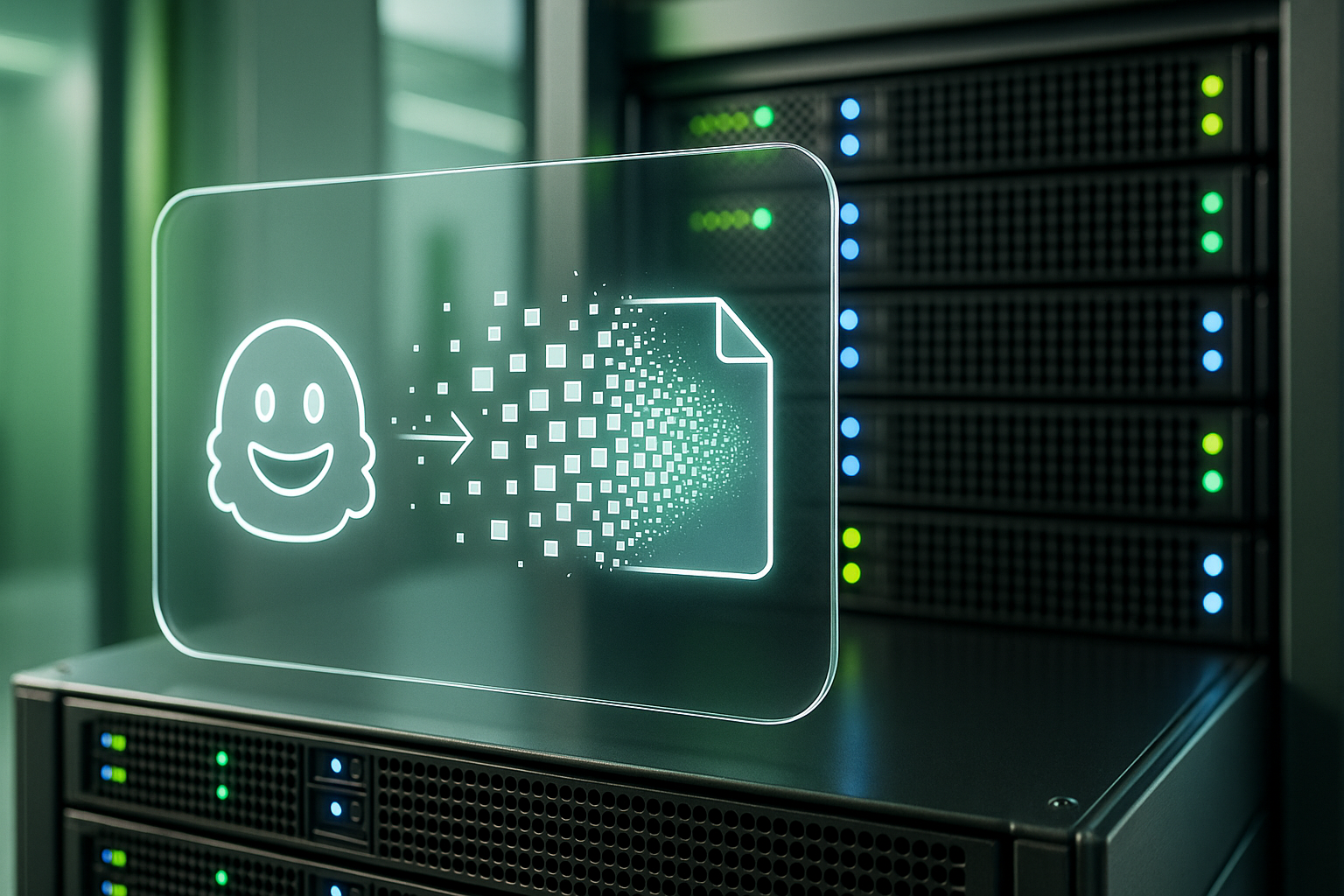
With the launch of TensorRT Model Connect, NVIDIA brings a major shift: developers can directly convert Hugging Face or local models into TensorRT artifacts, ready for native C++ inference, with just two simple commands. This removes technical barriers and democratizes access to high-performance AI inference for a wide range of enterprise users.
Practical Implications: From Model to C++ Inference in Two Steps
The workflow proposed by TensorRT Model Connect is remarkably simple:
- Direct conversion: Starting from a Hugging Face model (or compatible local model), the user runs a command that generates a .bundle file optimized for TensorRT.
- Native integration: This .bundle file can be imported and run directly in C++ applications, with no need for ONNX export or additional conversions.
The result is a fast, reproducible, and easily automated process, allowing technical teams to reduce the time from prototype to production from weeks to days or even hours.
Key Advantages for Companies and Developers
- Reduced complexity: Eliminating intermediate steps lowers the risk of errors and simplifies the deployment pipeline.
- Optimized performance: The generated artifacts are calibrated for NVIDIA hardware, maximizing inference speed and efficiency.
- Lower operational costs: Automation and open-source reduce licensing and maintenance costs.
- Scalability: The process is reproducible and easy to integrate into enterprise systems, enabling rapid scaling of AI solutions.
Conclusion: Benefits for Companies and Next Steps for Adoption
TensorRT Model Connect marks an important step in democratizing high-performance AI at enterprise scale. By eliminating intermediate stages and providing an open-source tool, NVIDIA enables companies to accelerate AI deployment, reduce costs, and respond more quickly to market demands.
For professionals and managers interested in AI/ML, adopting TensorRT Model Connect can mean the difference between a pilot project and a scalable, robust, production-ready solution. Fast integration, C++ support, and the Hugging Face ecosystem open new opportunities for innovation and operational efficiency.
(This material was assisted by an AI tool and reviewed by our team before publishing).