



CQ | Why AI Visibility Is the Key to Corporate Security: Simple Explanations for a Complex Topic
⚡ Reper CorpQuants: If we don’t clearly know what the company’s AI is doing, we can’t control risks or protect data. Visibility is the first step toward safe and responsible use of artificial intelligence.
Artificial intelligence has rapidly become a driver of innovation in companies, but few realize how difficult it is to keep its activity under control.
Without clear visibility into how AI is used, organizations risk losing control over their data and exposing themselves to major security threats. Discover why old tools are no longer enough and what solutions exist to ensure responsible AI management.
Why We Talk About AI Visibility
In recent years, artificial intelligence (AI) has entered almost every field—from banks and hospitals to online stores and transportation companies. We use AI to automate tasks, analyze data, or even make important decisions.
However, as AI becomes more widespread, a key question arises: Do we really know what the AI in our company is doing?
What AI Visibility and Governance Mean in Organizations
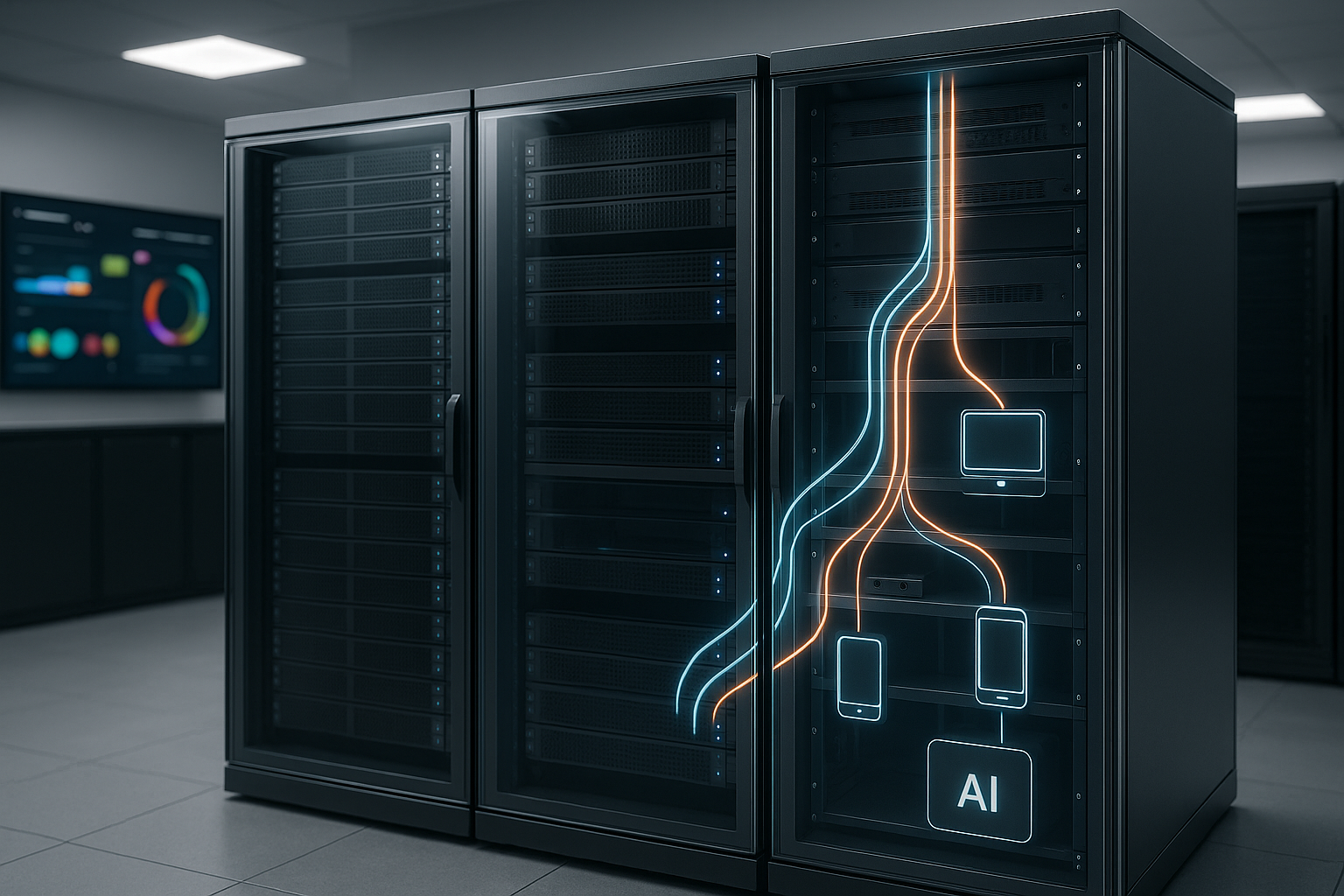
AI visibility means being able to see, at any time, how artificial intelligence is used within a company. In other words, knowing who is using AI, for what purpose, what data is being processed, and what results are being generated.
AI governance is like a set of traffic rules for AI: it establishes who is allowed to use AI, how it should be used, and what happens if something goes wrong. Without visibility, these rules cannot be applied effectively.
Why It Matters for Everyday People and Companies
It may seem like a technical subject, but lack of AI visibility can affect us all. For example, personal data may be processed without our knowledge, automated decisions may be wrong or even biased (meaning they could favor or discriminate without reason).
For companies, the risks are even higher: data loss, fines for non-compliance with the law, or even reputational damage that’s hard to repair.
Practical Examples: How Lack of Visibility Can Create Real Problems
- An employee uses AI without approval: They might upload confidential data to an online AI tool, and this data could end up on the internet or with competitors.
- The AI makes wrong decisions: Without monitoring, an AI system could unfairly deny loans to people or recommend inappropriate medical treatments.
- We don’t know who used AI and for what: If a problem arises, it’s hard to find the source or fix the mistake.
Why Traditional Tools Are No Longer Enough
Most companies have systems that monitor who accesses files or what programs are being used. But AI doesn’t behave like a regular program: it can learn, adapt, and process huge amounts of data in seconds.
That’s why we need new tools, specially designed to track AI activity. These can show who is using AI, what data is being analyzed, and whether there are security risks or compliance issues.
Conclusion: Simple Steps for Effective AI Governance
- Inventory your AI: Find out what AI tools exist in the company and who is using them.
- Monitor AI activity: Use dedicated solutions that can track and report on what AI is doing, not just regular programs.
- Set clear rules: Who is allowed to use AI? What data can be processed? What happens if a problem arises?
- Ongoing education: Employees need to understand the risks and be prepared to use AI responsibly.
In short, AI visibility is not a luxury, but a necessity. Without it, we can’t trust that AI is working for us, not against us.
(This material was assisted by an AI tool and reviewed by our team before publishing).