


CQ | Why AI Doesn’t Think Like a Human Brain: What Researchers Have Discovered and What It Means for the Future of Artificial Intelligence
⚡ Reper CorpQuants: Even though AI can imitate the responses of a human brain, its internal processes are completely different, and this distinction must be clearly understood by managers and professionals to avoid unrealistic expectations and implementation risks.
Do you think artificial intelligence can think like a human? While AI can sometimes mimic the results of the human mind, the way it gets there is completely different.
Recent discoveries show that, beneath the surface, AI and our brain speak entirely different languages. Find out why this difference matters and how it can help you make better decisions when using AI.
Why Do We Compare AI to the Human Brain?
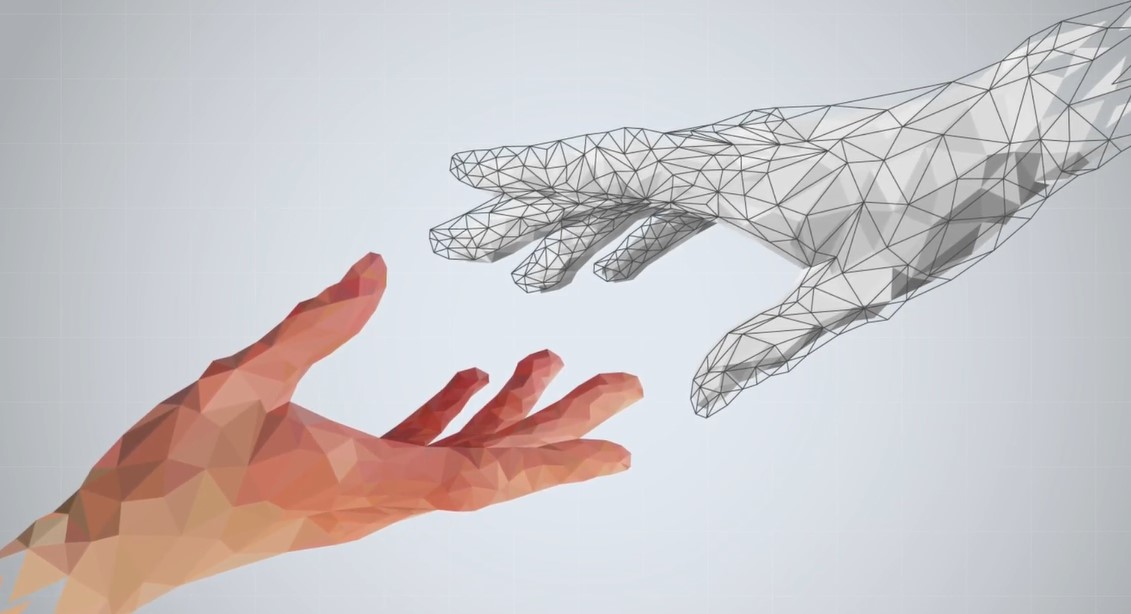
It’s tempting to believe that if AI can answer questions, recognize images, or compose texts, it “thinks” like a human. In fact, this comparison often comes up in technology discussions because it helps us more easily understand what AI does. But how true is this parallel?
Recently, researchers analyzed what happens “inside” when AI and the human brain solve the same tasks. The result: although they may arrive at similar answers, the paths they take are completely different.
How AI Works Versus the Human Brain
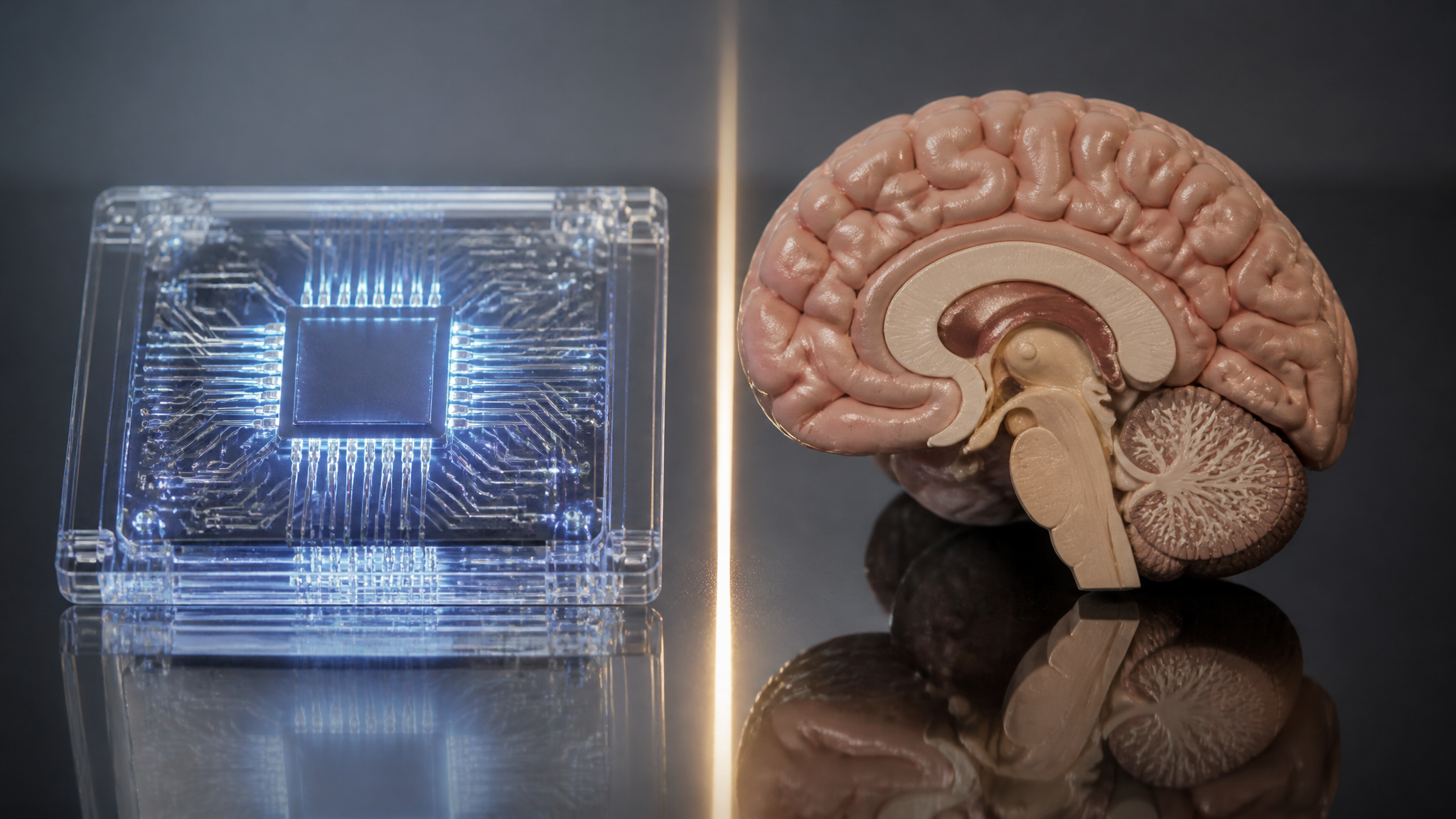
Our brain is like a vast network of roads, where information travels between billions of neurons (nerve cells). Every decision, thought, or reaction involves complex collaboration among these cells, influenced by experience, emotions, and context.
Artificial intelligence, especially modern AI models, uses a different approach. They process data through a series of mathematical calculations, based on rules and examples from the past. For example, an AI that recognizes faces does not “see” a person but analyzes millions of points and patterns in images, without having a real understanding of what it sees.
What These Differences Mean for Professionals and Managers
Why does this distinction matter for those making business decisions or implementing AI in their processes?
- Realistic expectations: AI can automate repetitive tasks or quickly analyze large volumes of data, but it cannot understand context or emotional nuances like a human.
- Complex decisions: In situations that require empathy, creativity, or subtle interpretation, AI can fail. For example, an AI chatbot can answer simple questions about invoices, but it won’t know how to handle an emotional customer complaint.
- Risks and responsibility: If we treat AI as a “digital human,” we risk giving it too much responsibility. For example, in recruitment, an AI that sorts resumes may miss valuable candidates if it does not understand the context of their experience.
Practical Example: Automation in Customer Service
Imagine a company that wants to use AI to automatically respond to customer inquiries. At first, everything goes well: the AI quickly answers the most common requests. But when an unusual situation arises—a frustrated customer who needs a personalized solution—the AI may give a rigid or inappropriate response. This is where the difference comes in: a human would sense the frustration and adapt the tone or solution; AI cannot do this because it does not “feel” and does not understand the human context.
What We Should Remember About AI’s Limits and Potential
AI is a powerful tool, but it is not a digital human brain. It can accelerate processes, reduce costs, and help make data-driven decisions. However, it has clear limits when it comes to deep understanding, genuine creativity, or empathy.
In conclusion, the differences between AI and the human brain are not just technical details, but essential factors for the success or failure of AI implementation in business. Understanding these differences helps us use AI wisely and avoid the pitfalls of unrealistic expectations.
(This material was assisted by an AI tool and reviewed by our team before publishing).