-
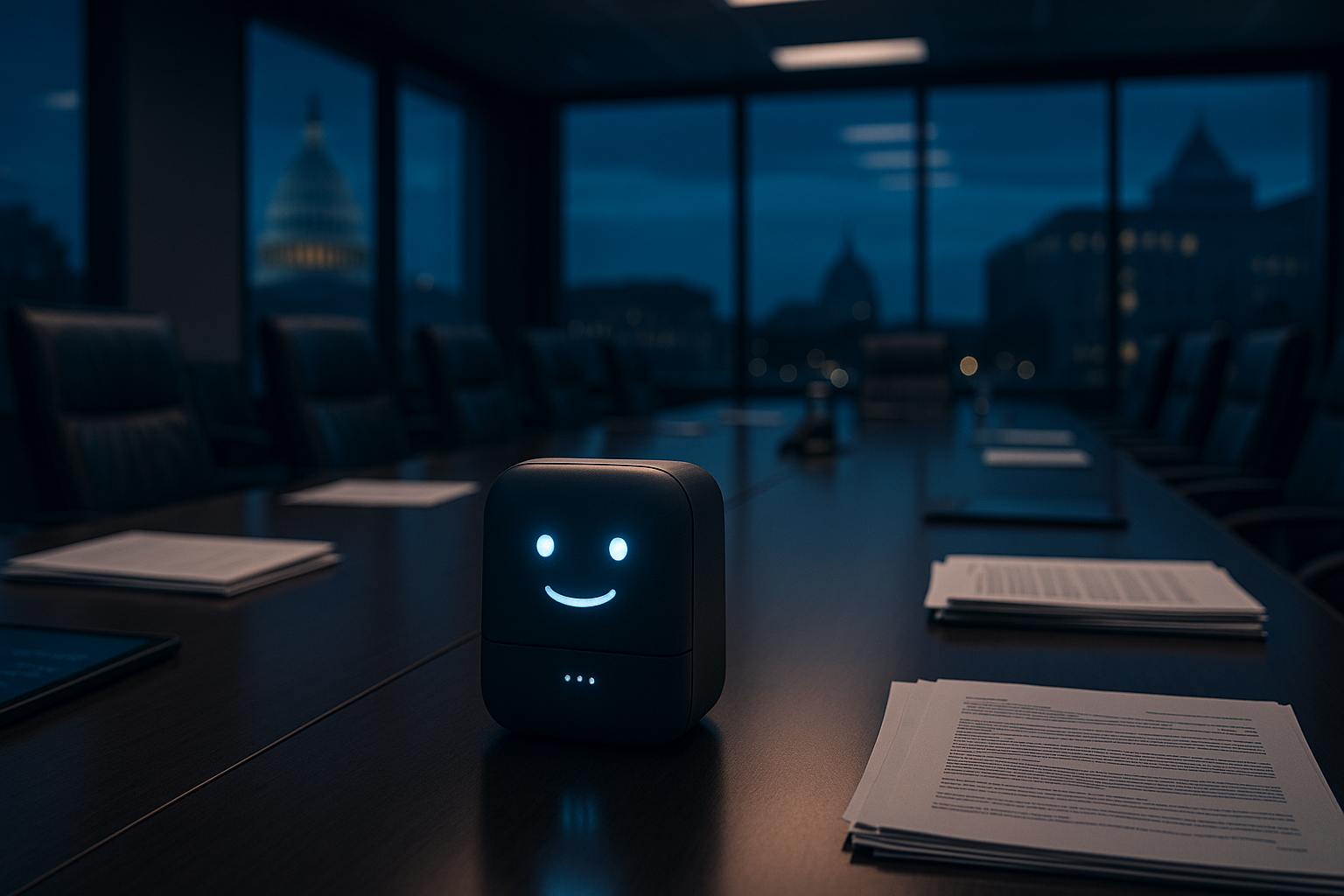
Can AI Chatbots Change Government Decisions? Risks and Solutions for Transparency
AI chatbots are becoming increasingly present in public administration, influencing the decisions of political leaders. Without transparency and rigorous auditing, the risks of bias and manipulation can affect the integrity of the democratic process. Clear regulation of AI use in government is essential.
-

AI in Mental Health: Who Has Access to Your Conversations with the Therapist?
AI brings innovation to mental health care, but also major risks regarding the privacy of therapy sessions. The lack of clear regulations allows third parties to access and use sensitive data, highlighting the urgent need for transparency and strong ethical policies.
-

AI Agents in Companies: Digital Colleague or New Operational Risk?
Until recently, many organizations viewed artificial intelligence as a tool for text generation, synthesis, or analysis. AI was used to write emails, summarize documents, draft reports, compare options, or answer questions. At this stage, the main risk was related to the quality of the response.
-

AI and Critical Thinking: When the Digital Assistant Starts Thinking for Us
AI is useful precisely because it reduces cognitive effort. It summarizes, compares, classifies, formulates, and checks hypotheses, transforming in seconds tasks that once required time, attention, and patience. For companies, the promise is powerful: faster decisions, smoother processes, and increased productivity.
-

AI literacy: the new mandatory competence for companies in the era of the AI Act
Artificial intelligence is no longer just a topic for technical departments. In more and more organizations, AI is being used for document drafting, data analysis, process automation, decision support, recruitment, marketing, financial services, customer relations, or risk management. The key question is no longer whether a company uses AI, but whether its people understand the…
-
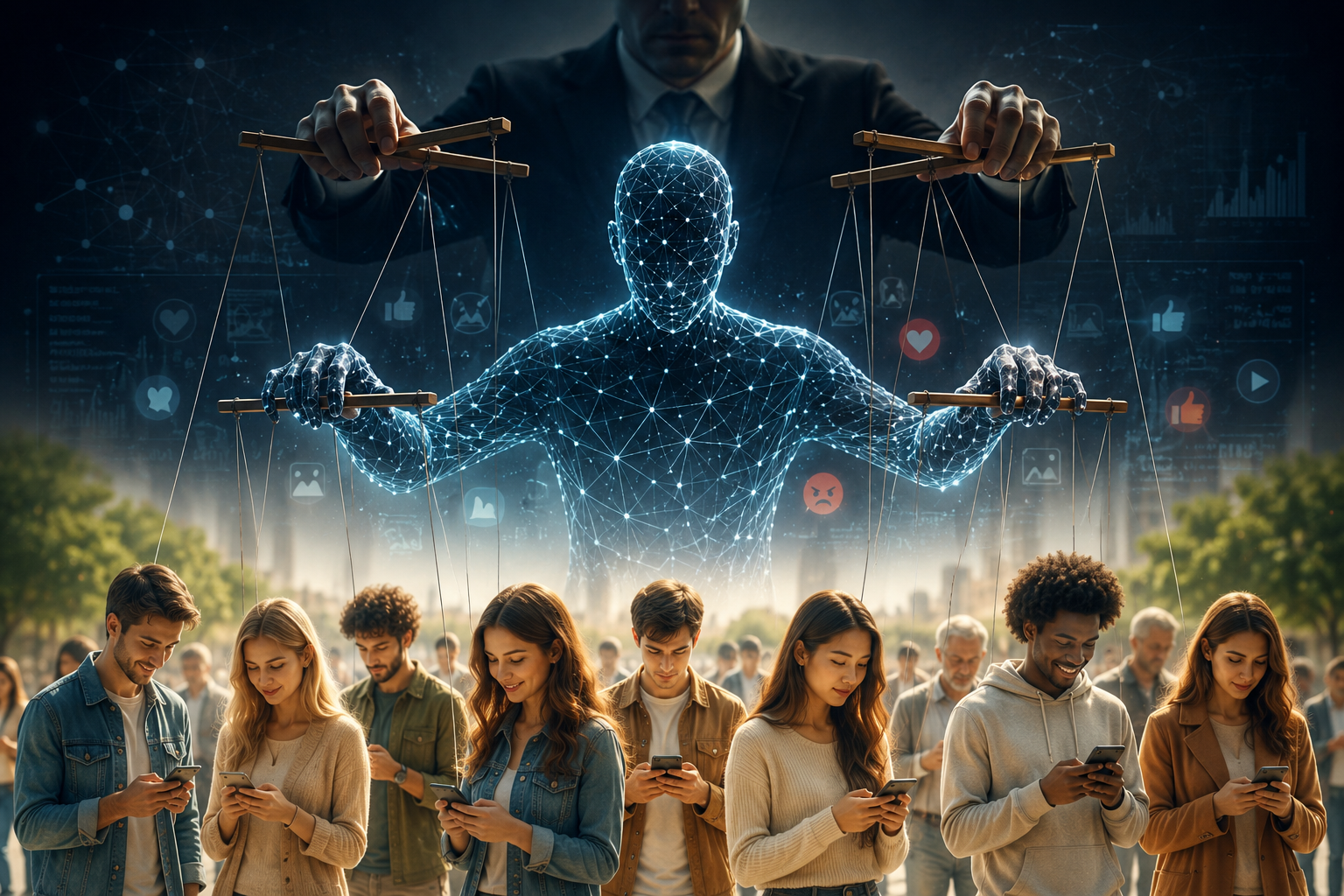
Polarization and AI Bubbles: How Algorithms Are Changing Our Reality
Every day, millions of people consume news and world events through social media. The paradox is that two users opening the same app at the same time may see completely different versions of reality. This is the result of how AI-powered algorithms personalize content, often reinforcing existing beliefs and deepening polarization.
-
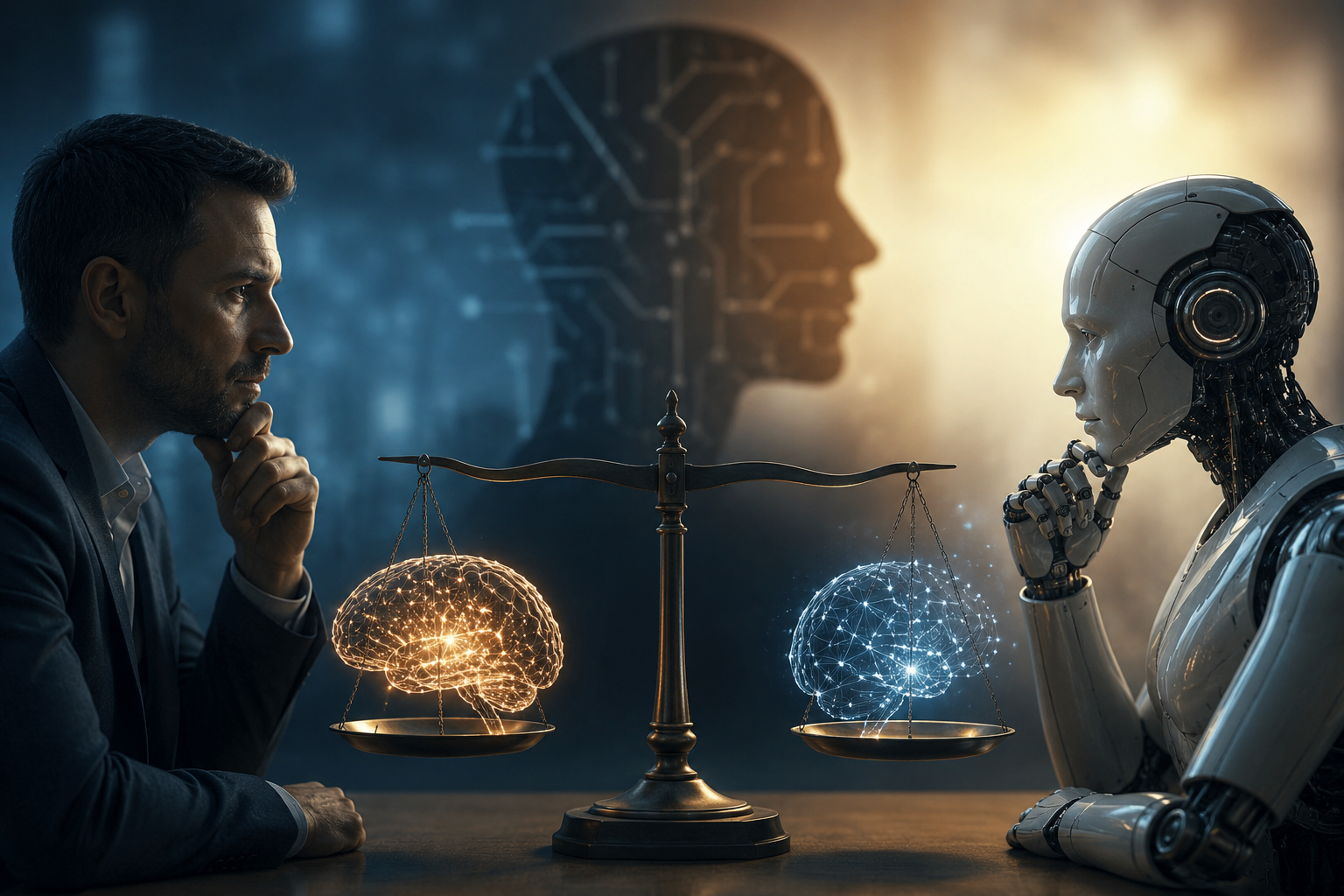
When AI Is Right Too Often – The New Ethical Challenge
Artificial intelligence has become a remarkable tool. It can analyze millions of data points, draft documents, generate code, identify trends, and even propose complex decisions in seconds. However, this very performance creates a new ethical challenge: what happens when people stop thinking critically and start automatically accepting AI recommendations?
-
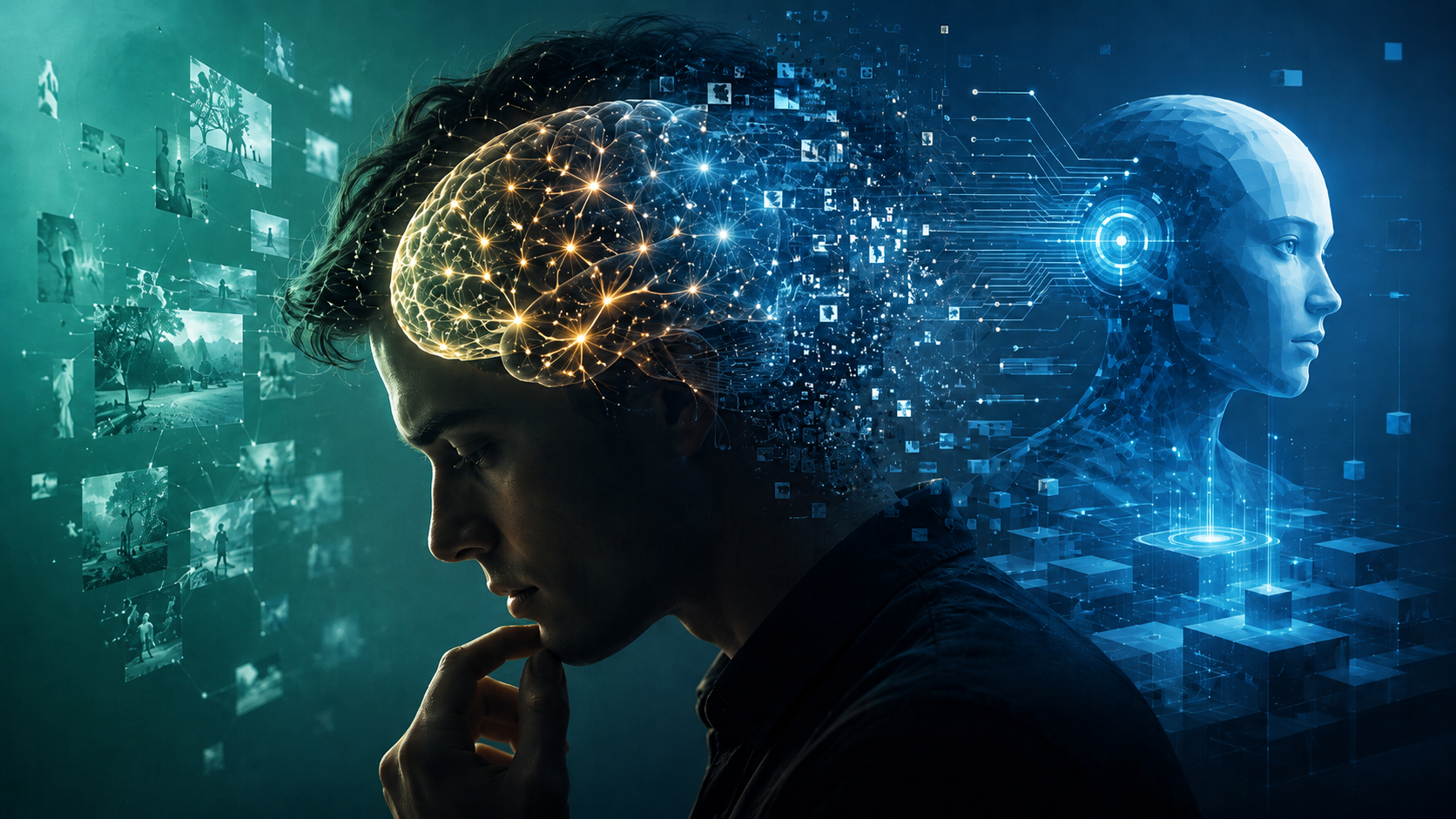
Cognitive Atrophy Caused by Excessive AI Use
Artificial intelligence does not automatically make us less intelligent. The problem arises when we use it so frequently that we stop exercising the very cognitive abilities we want to preserve: memory, attention, critical thinking, logical reasoning, self-expression, and independent judgment.
-
How might data sets contain biases?
In general, when we talk about the future or predictions, we want to understand whether we are dealing with a prophecy that comes from the thinking of a magician or a result generated by scientific research. Once this demarcation is established, in the case of the scientific approach we want to understand how the result…
-
Ethics in the use of artificial intelligence
Ethics in the use of artificial intelligence (AI) is a particularly important topic as AI has an ever-increasing impact on our lives and society. Here are some key issues related to the ethics of using AI: 1. Transparency and Explainability: AI systems should be transparent in how they make decisions. Users need to understand how…
office@corpquants.ro
+40 727 437 050
Caderea Bastiliei 14