-

Who Checks the Default Settings of AI Models? 5 Hidden scikit-learn Pitfalls for Business (in Plain English)
Default settings in AI models may seem like technical details, but they can have a major impact on business outcomes. Discover 5 common pitfalls in scikit-learn and how you can prevent unpleasant surprises, even if you’re not a technology expert.
-

How UN System Data Commons Is Changing the Game: Global Data and AI at Everyone’s Fingertips
UN System Data Commons provides anyone with reliable global data, simplified using artificial intelligence. The platform enables informed decisions, whether you’re a manager, entrepreneur, or simply curious. Now, access to global statistics is no longer reserved for experts.
-

How Scientific Papers Can Become AI Agents That Reproduce Results and Analyze New Data
Paper2Agent transforms scientific papers into AI agents that can automatically reproduce experiments and analyze new data. This allows professionals and managers to quickly verify results and make safer decisions, without being technical experts. Automation brings more transparency and efficiency to research and business.
-

Causilo: The AI Model Bringing Automated Data Analysis Within Everyone’s Reach
Causilo is a pre-trained AI model that simplifies tabular data analysis for any company, without requiring technical expertise. It automates complex tasks like classification or forecasting, saving time and reducing the risk of errors. This kind of technology makes advanced analysis accessible to everyone, not just experts.
-

How to Save with AI: Smart LLM Model Routing Explained Simply
Adaptive routing of LLM models helps companies use AI more efficiently by automatically selecting the right model for each task. This reduces costs and speeds up processes without sacrificing performance. It’s a simple strategy with a major impact on the future of automation.
-

How to Save Money and Time with AI Applications: Redis LangCache Explained for Everyone
AI applications can consume significant resources, even for similar questions. Redis LangCache uses semantic caching to reduce costs by up to 90% and speed up responses more than tenfold. It’s a simple solution, accessible to any company aiming for greater efficiency.
-

How Autonomous Cars Learn to Explain Their Decisions: The MIT & Motional Innovation Made Simple
Why does an autonomous car brake suddenly? Until now, the decisions of these vehicles were hard to understand. The MIT & Motional innovation brings clear, real-time explanations that increase trust and safety in autonomous transport.
-

How to Protect Written Content with AI Watermarking in Python: A Practical Guide for Anyone
AI watermarking for text helps you protect your content even when it is copied or modified. You can easily apply these techniques using Python, without advanced technical knowledge. Discover which methods work and how you can use them to defend your intellectual property.
-
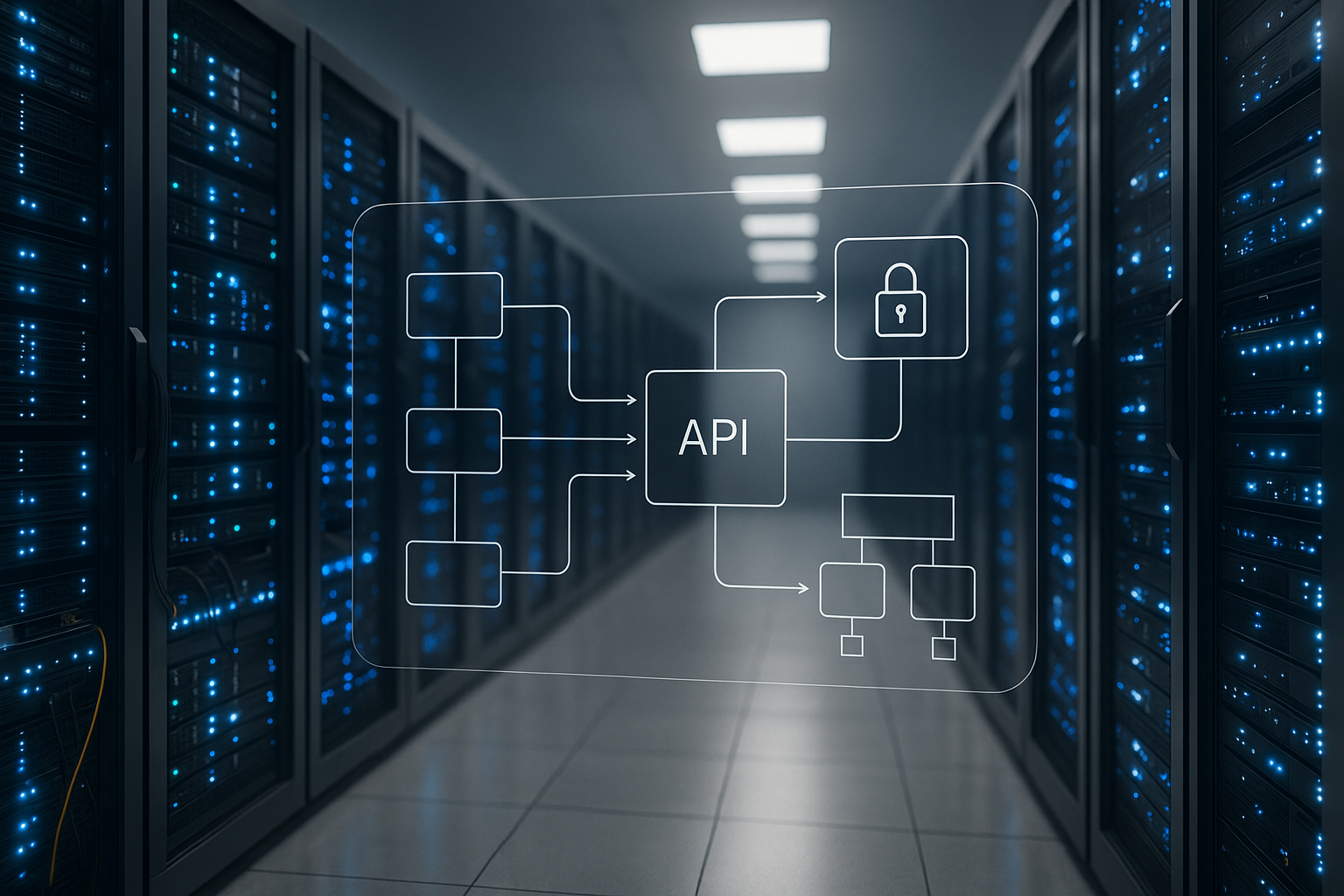
From Model to Value: How to Turn an AI Model into a Useful Business Service
A high-performing AI model does not guarantee business success if it is not efficiently integrated into organizational processes. The article explores the difference between experimentation and implementation, technical and operational challenges, as well as practical steps to turn AI into a valuable business service.
-

How Google’s TimesFM-3 Makes Business Forecasting Smarter—No Complicated Formulas Needed
Google has launched TimesFM-3, an AI model that helps companies make more accurate and simpler forecasts by simultaneously analyzing multiple business indicators. The technology promises better decisions and more efficient services, without complicated formulas. It’s a major step toward accessible digitalization for businesses.
office@corpquants.ro
+40 727 437 050
Caderea Bastiliei 14