-
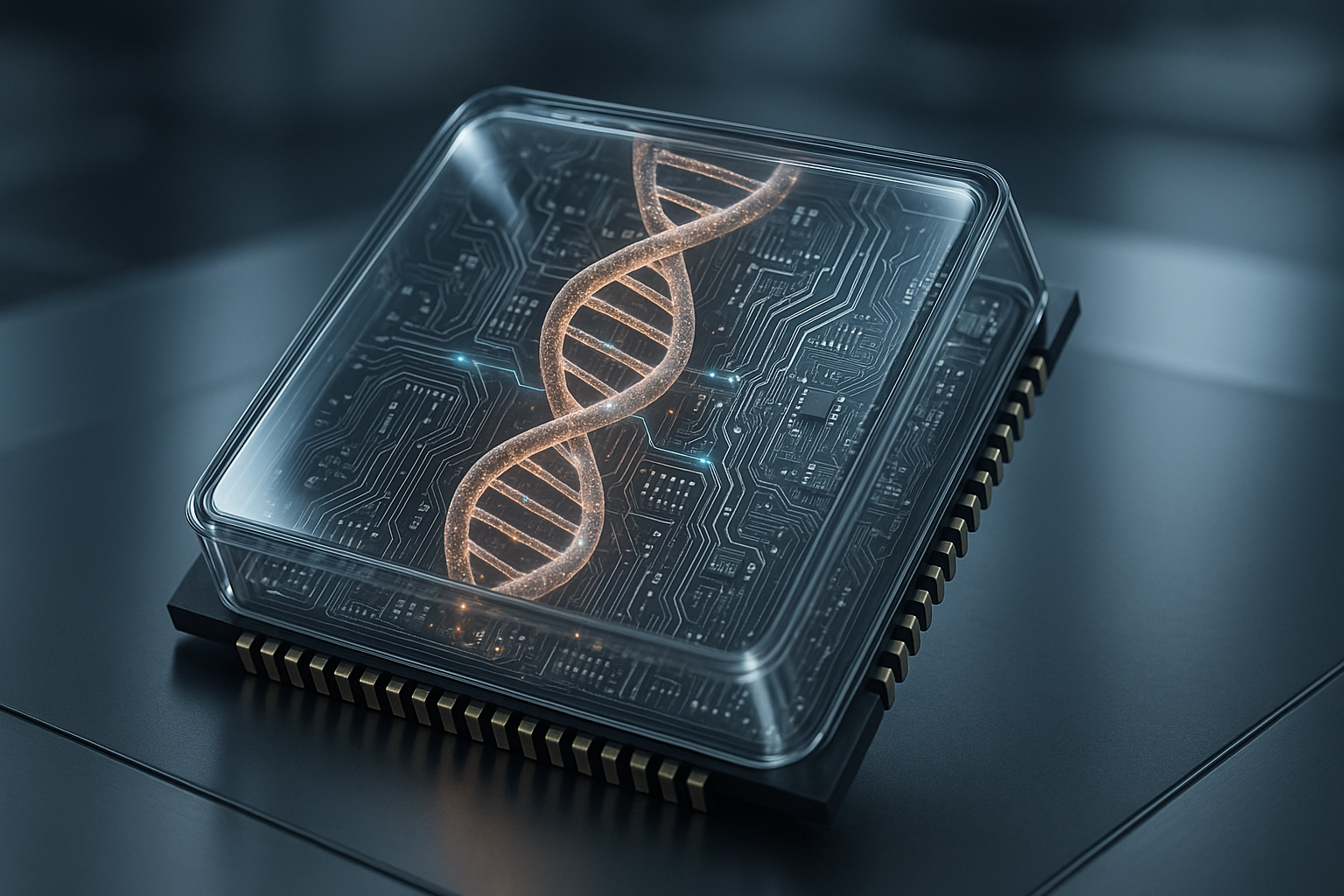
Bio-Hybrid DNA Memory: The Future of Energy Efficiency in AI and Computing
Bio-hybrid DNA memory, an innovation combining synthetic DNA with semiconductors, can reduce the energy consumption of AI systems by a factor of 100. This technology promises to transform digital infrastructure and accelerate the transition toward sustainable solutions in computing and artificial intelligence.
-
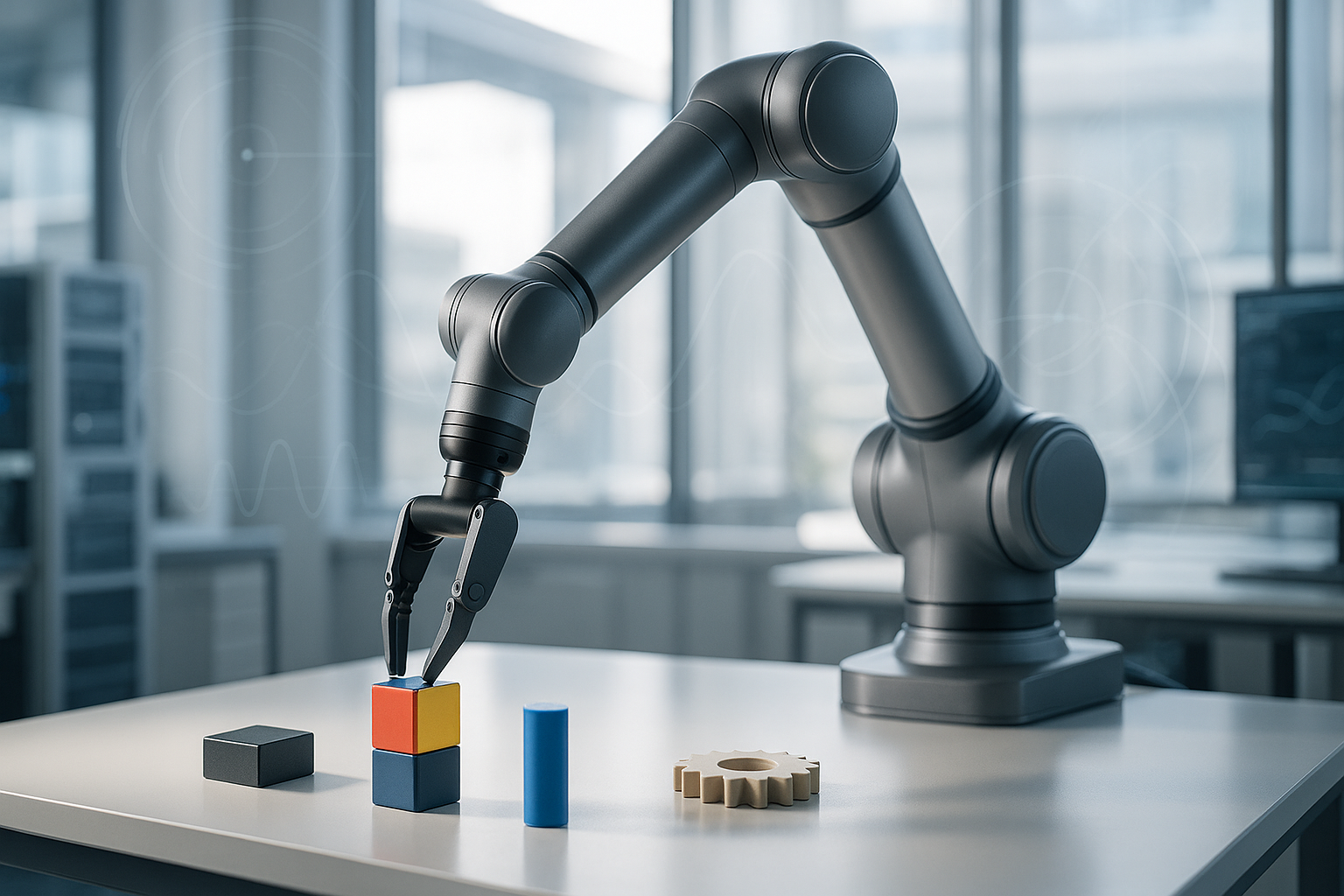
How Robots Learn New Tasks from a Single Demonstration: The GEN-1.5 Revolution Explained Simply
GEN-1.5 is a new technology that allows robots to quickly learn new tasks from a short demonstration, without additional programming. This paves the way for more accessible and flexible automation, both for businesses and everyday life. Robots thus become easier to use and adapt to our needs.
-

How to Measure Uncertainty in Automated AI Decisions: A Practical and Accessible Guide
Not every AI decision should be automated without verification. Measuring uncertainty helps avoid costly mistakes and increases trust in automated decisions. Discover how ‘Bayesian guardrails’ work and how they can be easily applied in business.
-
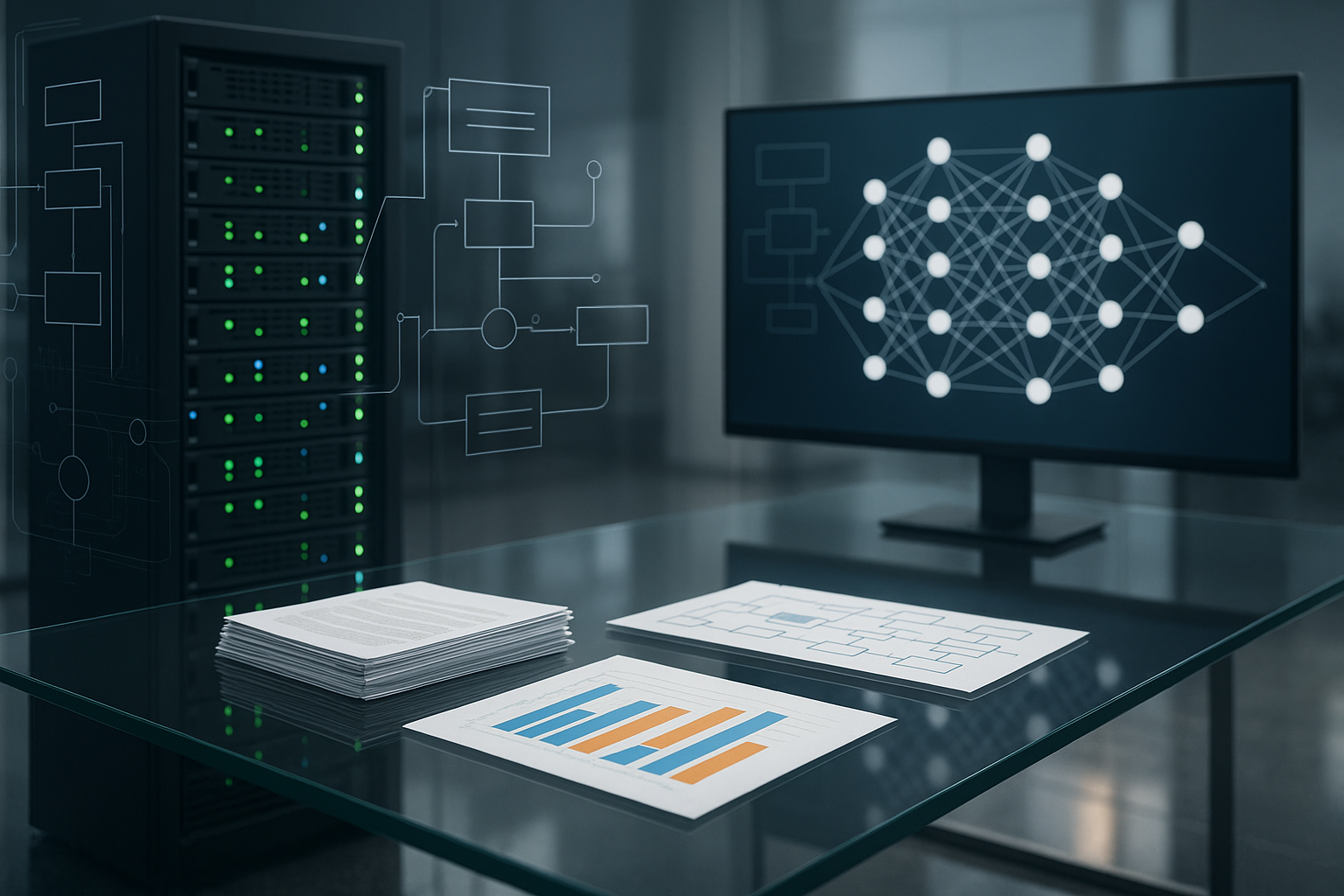
Fine-tuning for Everyone: How to Personalize an LLM Model Without Being an AI Expert
Fine-tuning an LLM model means adapting it to your company’s needs and language, without being an AI expert. With relevant data and a few simple steps, any business can have a personalized digital assistant. Discover how to get started and what benefits you can quickly achieve.
-
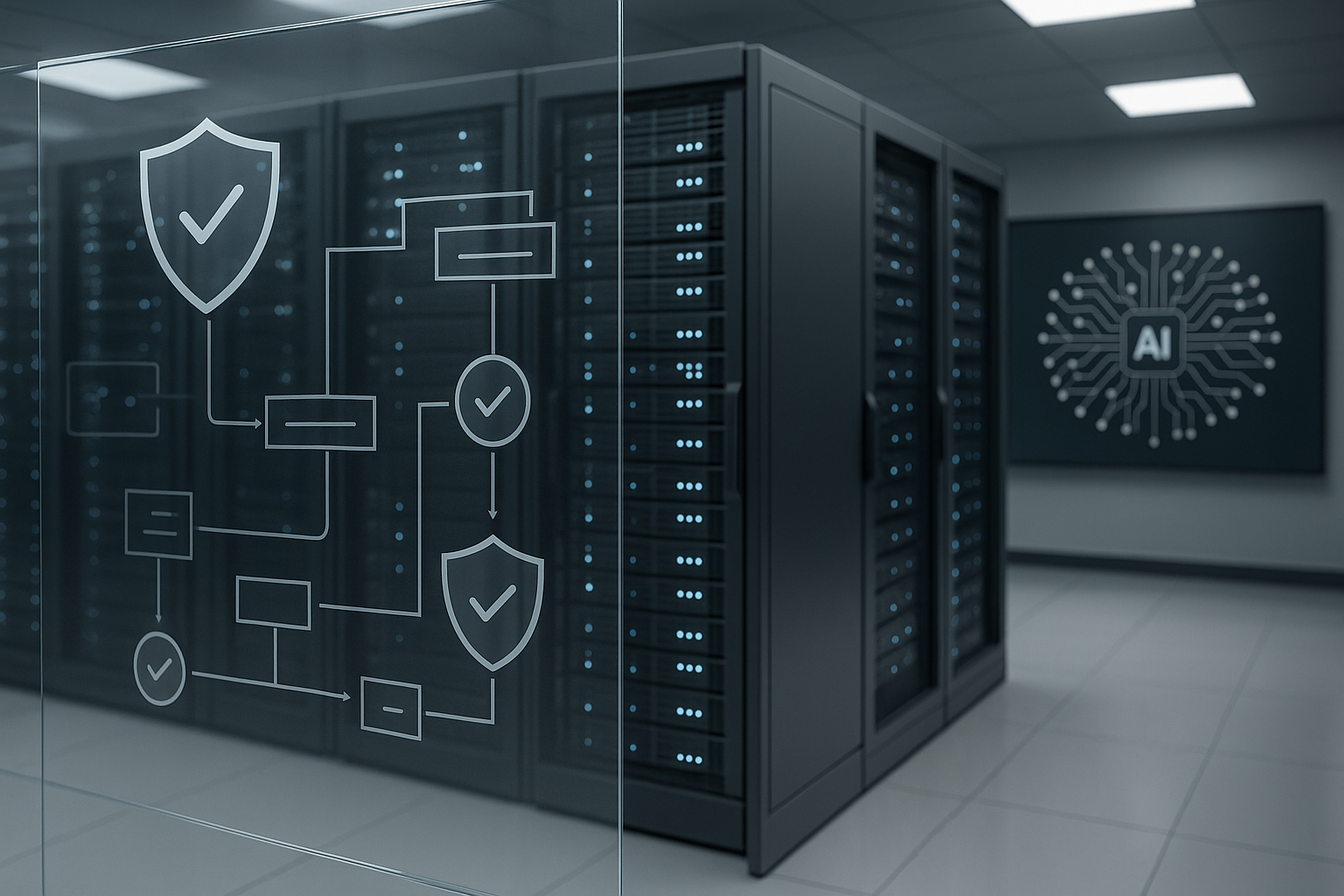
From Prototype to Production: How to Build Responsible and Safe AI for Companies (in Simple Terms)
Artificial intelligence can be a reliable asset for companies, but only if implemented responsibly. Learn what it takes to move from prototype to production and the basic rules for safe, governed, and trustworthy AI. This article explains in simple terms how to use AI with confidence.
-

How DNA-Based Memory Could Make AI 100 Times More Energy Efficient
A new breakthrough combining synthetic DNA with digital technology could make AI 100 times more energy efficient. This innovation promises lower costs, reduced environmental impact, and broader access to artificial intelligence. The future of AI could be greener and more accessible for everyone.
-
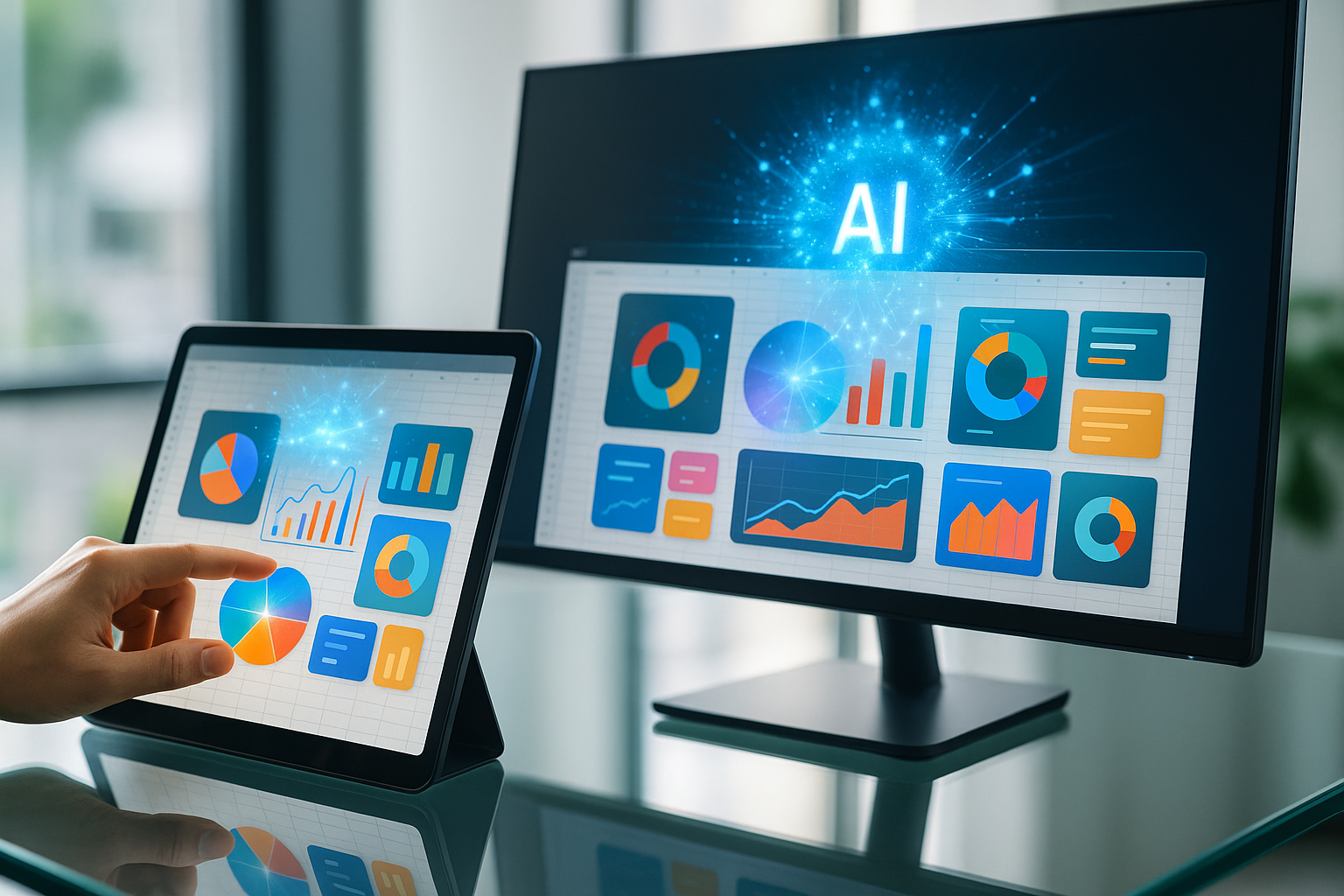
How to Create Interactive Dashboards from Excel with Sheets Canvas and AI – Fast and No Coding Required
Sheets canvas and AI are transforming the way anyone can create interactive dashboards and visual reports from Excel or Sheets data. You don’t need coding or technical skills – just describe what you want to see, and the AI does the rest. Data analysis becomes fast, easy, and accessible to everyone.
-

Variational Autoencoders (VAE) Explained Simply: Why They Matter for the Future of Artificial Intelligence
Variational autoencoders (VAE) are intelligent models that help generate new data, reduce complexity, and detect anomalies. They are already used in many businesses for analysis, automation, and innovation. Discover why this technology is becoming increasingly important for the future of artificial intelligence.
-
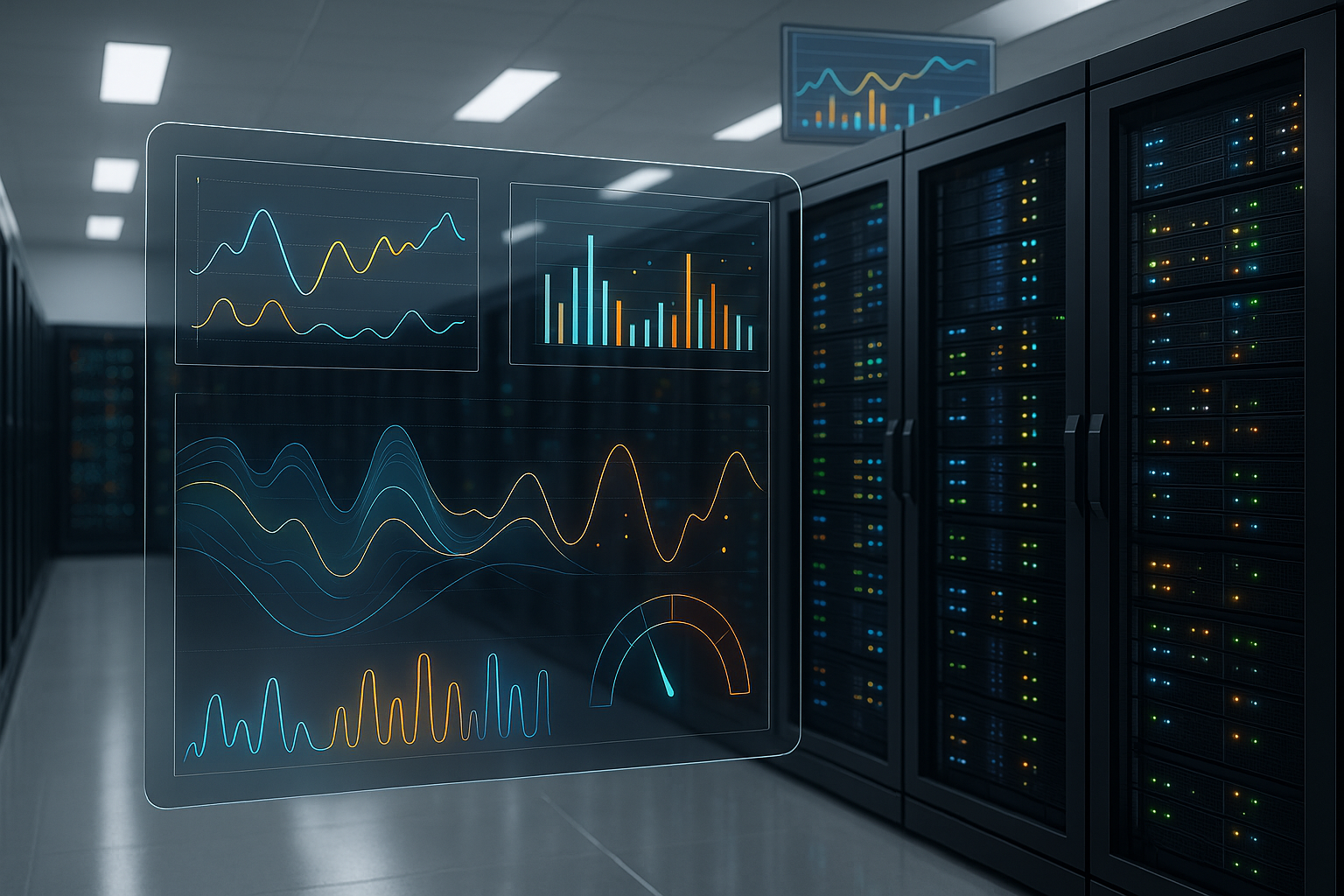
How to Monitor LLM Models in 2026: Platforms and Best Practices Explained Simply
In 2026, monitoring LLM models becomes essential for any business using AI. This article briefly explains what LLM observability means, compares the main platforms, and offers practical, easy-to-understand recommendations for implementation.
-

Advanced AI Without the Cloud: How On-Device Agentic Models Are Changing the Way Companies Use Artificial Intelligence
On-device agentic AI models allow companies to use advanced artificial intelligence directly on their own devices, without relying on the cloud. This brings clear advantages: enhanced privacy, lower costs, and efficient automation accessible to any business.
office@corpquants.ro
+40 727 437 050
Caderea Bastiliei 14