



CQ | The ‘Slot Machine’ Effect of AI: How Generative Streams Sabotage Our Focus at Work
⚡ Reper CorpQuants: Generative AI can be an ally or a trap: if you understand how it fragments your attention, you can use these tools to work more efficiently, not to lose time without realizing it.
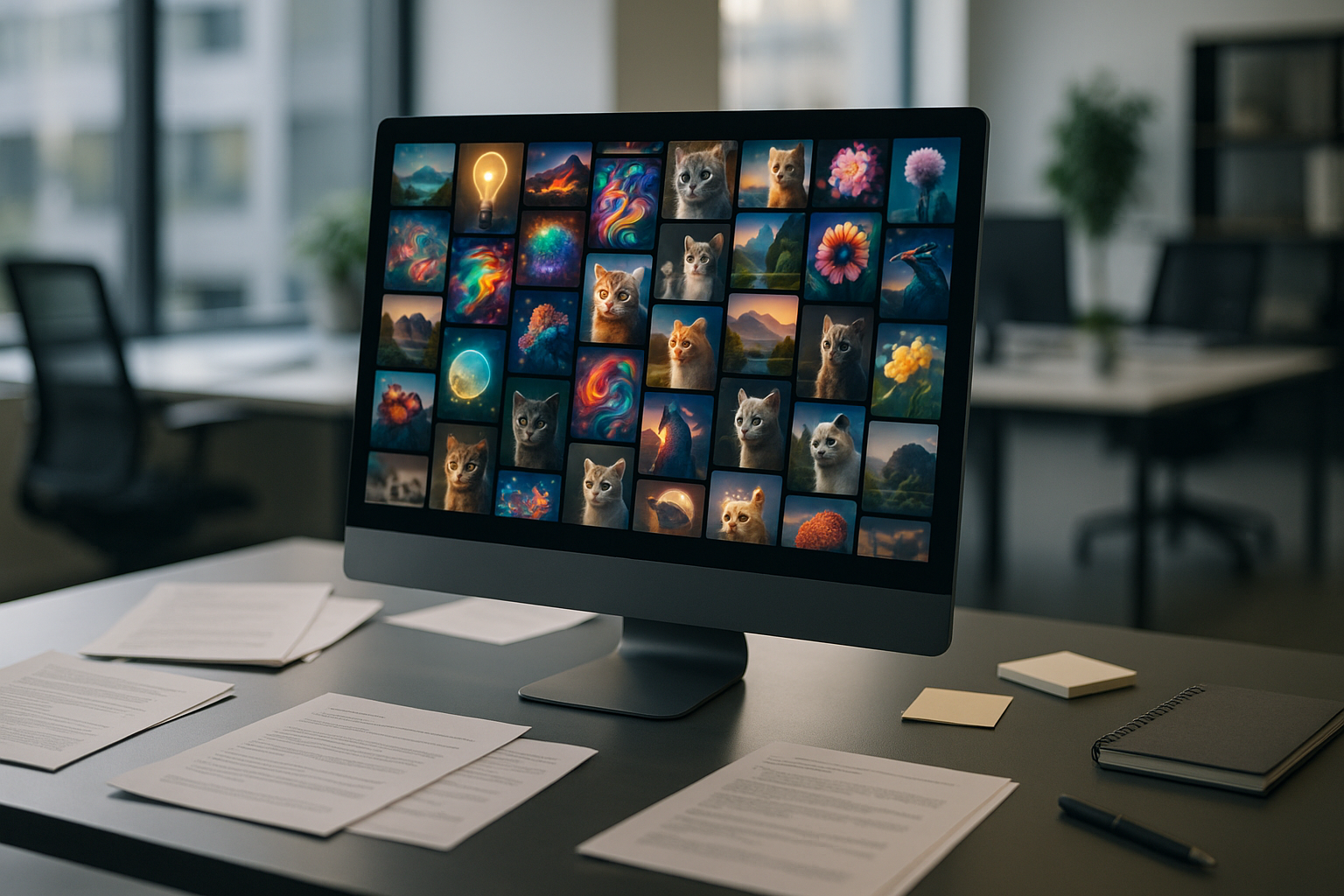
Imagine that every AI-generated answer is like a slot machine spin: you never know what comes next, and you always want to see more. This captivating effect, hidden behind generative streams, can steal hours of our attention without us even noticing.
But how do we get here, and more importantly, how can we escape this digital trap? Let’s discover together what the ‘slot machine’ effect of AI is and how it can impact us at work.
What Is the ‘Slot Machine’ Effect of AI and Why Does It Matter
The term ‘slot machine’ comes from the world of gambling. Slot machines are those devices that give you a small dose of suspense and satisfaction with every spin, even though you rarely win anything significant. The same principle applies to generative AI: every answer, every new image or text generated, can be a surprise.
Every time you click ‘Generate’ or ‘Show me another version,’ you don’t know exactly what you’ll get. This uncertainty and the promise of a quick discovery keep us hooked, just like in a digital gambling game.
How Generative Streams Fragment Attention and Productivity
Imagine you’re working on an important report. You open an AI tool to help you with an idea or a phrase. You get an interesting answer, but it’s not perfect. You try another version. And another. Soon, you realize you’ve spent 20 minutes just generating and comparing responses, without actually progressing on your main task.
This type of behavior is no accident. Generative AIs are designed to be interactive and to always offer something new. Just like social media or mobile games, they can create an endless stream of content that draws us back again and again.
- Fragmented attention: Jumping from one version to another makes us lose the main thread of our thinking.
- Decision postponement: The more generated options we have, the harder it is to choose and actually finish something.
- Decision fatigue: Every small choice consumes mental energy, leaving us less focused for important tasks.
Everyday Life Examples
- You’re writing an important email and use AI to find the perfect wording. You spend 15 minutes generating options, but still aren’t satisfied.
- You try to create a poster with an AI image generator. The results are interesting, but you never find the “best” version, so you keep searching and searching.
- You get automatic suggestions for texts or replies and find yourself reading them all, even though you could write faster on your own.
Practical Strategies for Using AI Without Falling Into the Trap of Dependency
The good news is that we can use generative AI intelligently, without losing our focus. Here are a few simple strategies:
- Set a clear goal before using AI. Write down what you want to achieve and stop when you get the answer you needed.
- Limit the number of generated options. For example, decide from the start that you’ll compare only 2-3 options, not 10.
- Use a timer. Set yourself 5 or 10 minutes for interacting with AI, then return to your main task.
- Turn off notifications and other windows that might tempt you to keep going back to AI.
- Reflect on the result. After using AI, ask yourself if it truly brought you value or just consumed your time.
Conclusion: How to Turn AI From a Distraction Into an Ally for Efficient Work
Generative AI can be a valuable aid, but also a source of distraction if we’re not careful. The ‘slot machine’ effect can steal our time and energy, especially when we need focus and creativity at work.
The best solution is to be aware of these risks and use AI with clear intention. This way, we turn technology from a digital “gamble” into a partner that helps us be more efficient, not more distracted.
(This material was assisted by an AI tool and reviewed by our team before publishing).