



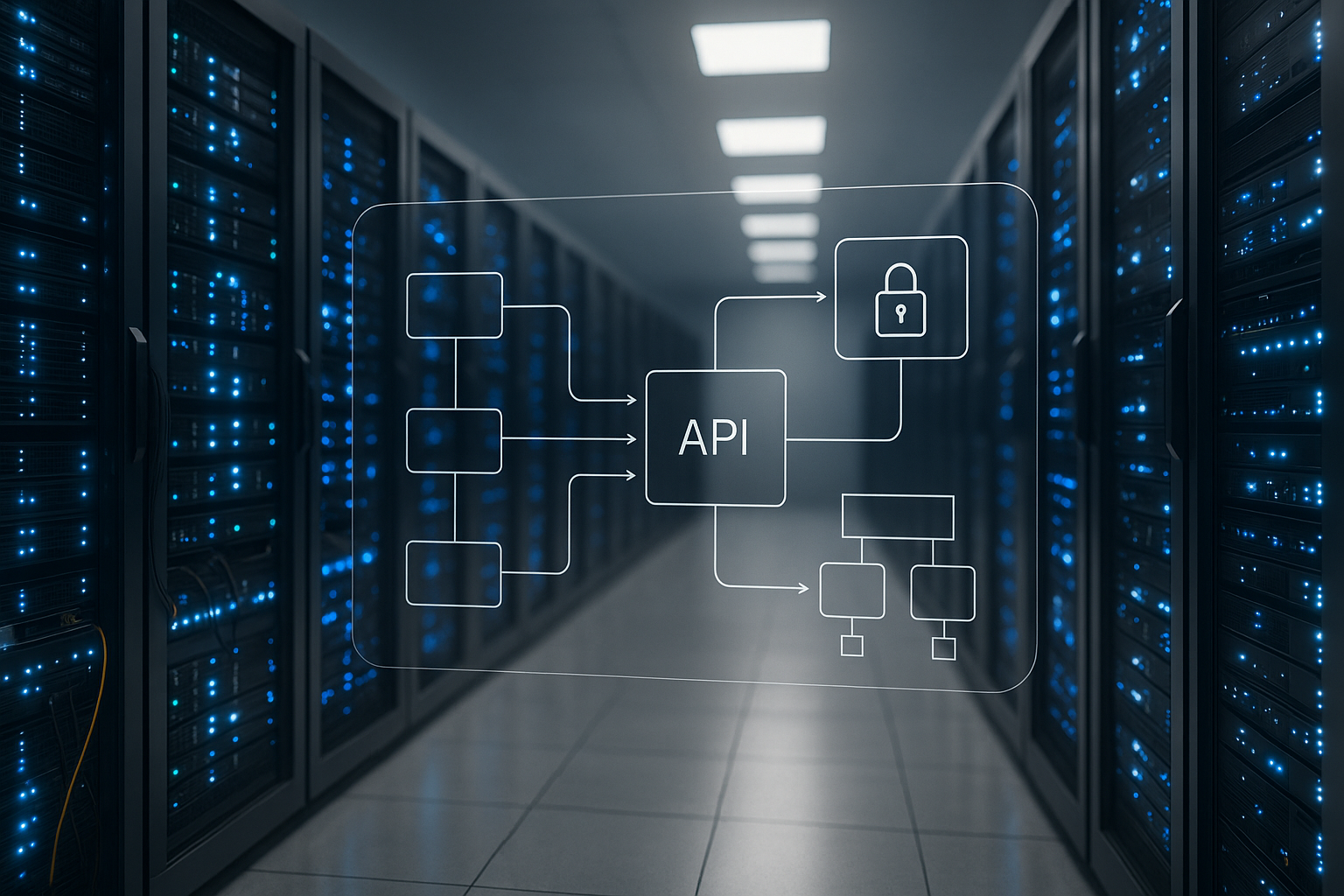
CQ | From Model to Value: How to Turn an AI Model into a Useful Business Service
⚡ Reper CorpQuants: A valuable AI model means nothing without its integration into real workflows; the key is to turn technical performance into a robust, secure, and easy-to-use service for business.
Many professionals celebrate AI models that achieve excellent results in tests, but quickly discover that the journey from the lab to real-world deployment is full of unexpected obstacles. How do you turn a high-performing model into a service that brings tangible value to your business?
This article shows you the critical steps, challenges, and solutions that make the difference between a successful experiment and operational success. You’ll understand why model performance alone isn’t enough and what you need to do for AI to become a true engine of business growth.
Why a High-Performing AI Model Isn’t Enough
In academia or during the prototyping phase, the success of an AI model is often measured by metrics such as accuracy, precision, or F1 score. However, in business, a model’s value doesn’t stop at these figures. A high-performing but isolated model brings no real benefits if it cannot be efficiently integrated into the organization’s daily processes.
The Evolution of AI Implementation in Business
In recent years, companies have moved from experimenting with AI to needing to obtain real, scalable value from these technologies. Machine learning models are no longer just research projects, but critical components of digital products and services.
However, adopting AI in business requires a paradigm shift: not just developing models, but turning them into stable, accessible, and easy-to-maintain services that serve internal or external users through standardized APIs.
From Model to Service: Challenges and Essential Steps
1. The Difference Between a Model and a Service
An AI model is, essentially, a set of parameters and rules learned from data. To turn it into a useful service, it must be:
- Accessible via an API or software interface
- Scalable to handle multiple requests
- Monitored and easy to update
- Integrated with existing systems (ERP, CRM, web applications, etc.)
2. Technical and Operational Challenges
- Infrastructure: AI models may require special hardware resources (GPU, memory) and must be hosted on secure servers with high uptime.
- Security: Exposing a model as an API involves managing access, authentication, encryption, and protection against abuse or data leaks.
- Maintenance: Models can degrade over time (the model drift phenomenon), requiring continuous monitoring, retraining, and periodic updates.
- Scalability and Costs: An AI service must respond quickly to variable request volumes without generating uncontrolled costs.
3. Recommended Steps for Integration
- Define business requirements: Clearly define what problem the model solves and how it will be used by users or other systems.
- Develop an API interface: Expose the model through a documented and secured REST or GraphQL API for easy access from other applications.
- Automate deployment: Use containers (Docker, Kubernetes) to ensure portability and scalability.
- Monitoring and logging: Implement systems to monitor performance and errors, to quickly detect any issues.
- Maintenance plan: Establish procedures for retraining, updates, and rollback in case of incidents.
Practical Tips for Professionals and Managers
- Involve IT and DevOps teams from the prototyping phase, not just at the end.
- Test the model on real data, not just on clean test sets.
- Invest in documentation and training for end users.
- Prioritize data security and confidentiality from the start.
- Constantly monitor the model’s performance and its business impact.
Conclusion: Key Lessons and Next Steps
Turning an AI model into a robust business service is a multidisciplinary process that goes beyond the boundaries of data science. Without a clear integration strategy, solid infrastructure, and user focus, models remain just interesting experiments.
For professionals and managers, the key is to approach AI implementation as a product project, not just a technical exercise. This way, AI becomes a real differentiator, not just a buzzword.
(This material was assisted by an AI tool and reviewed by our team before publishing).